
Your espresso tastes bitter. The drip tray shows brown water. The machine is asking for cleaning.
Backflushing a Gaggia Classic helps clean the brew group, shower screen area, and three-way solenoid path. It removes coffee oils and fine coffee residue. It does not descale the boiler, and it should be done with short pressure pulses.
This guide turns the basic backflush steps into a safer routine. The goal is clean flavor, less solenoid trouble, and no pressure experiments.
Table of Contents
- Why should you backflush a Gaggia Classic?
- Can every Gaggia Classic be backflushed?
- What equipment do you need for backflushing?
- How do you backflush a Gaggia Classic step by step?
- What should you avoid during backflushing?
- How often should you backflush?
- What else should you clean at the same time?
- When is backflushing not enough?
- FAQ
Why should you backflush a Gaggia Classic?
Coffee oil builds up quietly. Then the machine starts tasting tired and acting strange.
Backflushing removes coffee oils and residue from the brew group, shower screen area, and three-way solenoid discharge path. This helps keep flavor cleaner and pressure release more reliable.
The Gaggia Classic Pro and many Classic models use a three-way solenoid valve. When you stop brewing, that valve releases pressure from the puck and sends water into the drip tray. That path sees coffee oils, fine particles, and dirty brew water. If it never gets cleaned, residue can build up.
Owners usually notice the problem in small ways first. The espresso tastes bitter even when the recipe looks normal. The portafilter feels messy after the shot. Brown water appears during a cleaning cycle. The drip tray smells old. Sometimes the pressure release feels weak, and the puck stays wetter than usual.
Use this symptom map:
Backflushing is maintenance, not repair work. It keeps the coffee side of the machine clean. It does not remove mineral scale from the boiler. It also does not fix a blocked water path if water cannot reach the group head.
If your machine already has no water from the group head, use the Gaggia Classic Pro no-water diagnostic guide before doing a chemical backflush. A blocked solenoid needs diagnosis, not more detergent.
Can every Gaggia Classic be backflushed?
Check the machine first. The word “Classic” has covered more than one design.
Backflushing is appropriate for Gaggia Classic machines that have a three-way solenoid valve and support pressure release through the drip tray. Do not backflush a machine that lacks a three-way solenoid or whose manual says not to do it.
This warning matters because forum users often find conflicting advice. Some Classic versions and regions differ. Some owners discuss older Classics with three-way solenoids. Others mention post-2015 variants that may not dump pressure the same way. A blind basket on the wrong machine can create pressure without the right release path.
Use this model check:
The easy sign is the drip tray discharge tube. After a normal shot, pressure should release into the drip tray. During a backflush, dirty water should also discharge there. If nothing releases, stop. Do not keep building pressure because a forum comment said “one more cycle.”
If the machine is under warranty, follow the manual and the seller’s maintenance guidance. Gaggia Direct says to use recommended products and refer to the manual, partly because wrong cleaning habits can affect support or warranty questions. That is not exciting advice, but it is useful advice.
What equipment do you need for backflushing?
The equipment list is short. The important part is using the right cleaner in the right place.
Use an espresso-machine backflush cleaner, a suitable basket or backflush disc, the portafilter, clean water, a group brush, and a towel. Cafiza, Puly Caff, or Gaggia degreasing tablets are common choices.
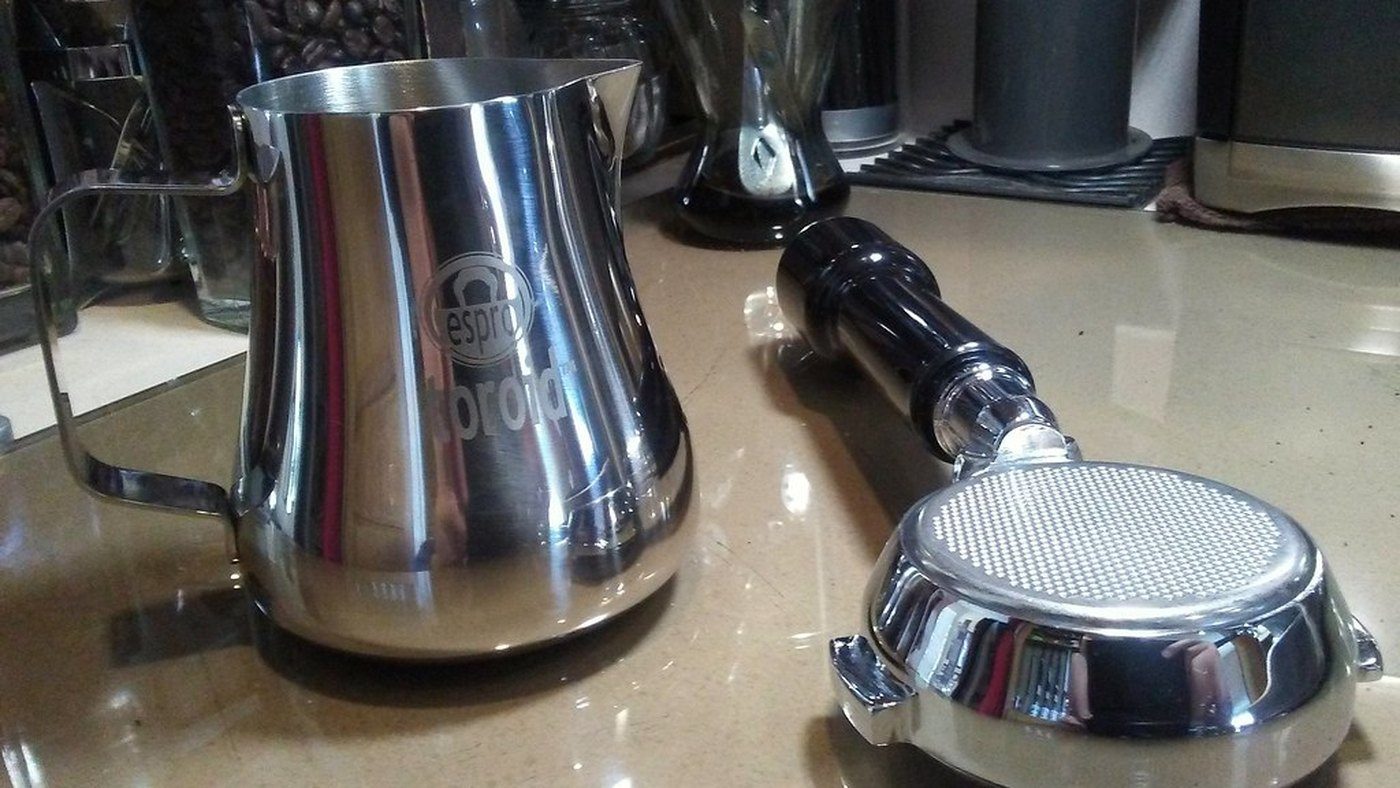
The cleaner must be designed for espresso machine coffee oils. Urnex describes Cafiza as a cleaner for groupheads, valves, lines, screens, filters, portafilters, baskets, and similar coffee-contact parts. It is not a descaler. It is not something to pour into the water tank.
Use this equipment table:
Many owners use a true blind basket. Gaggia Direct also mentions using a perfect crema basket because it can let water escape if pressure becomes too high. The tradeoff is simple. A blind basket creates a stronger backflush. A pressure-relief basket may be gentler. If you are new, short pulses matter more than the basket debate.
Use a small amount of cleaner. More cleaner does not make you more professional. It only makes rinsing harder. The machine is small. Treat it like a home espresso machine, not a cafe sink.
How do you backflush a Gaggia Classic step by step?
Keep the cycles short. This is cleaning, not a pressure test.
Add a small amount of cleaner to the blind basket or suitable basket, lock the portafilter in place, run brew for 3-5 seconds, stop, and repeat. Then rinse the basket and repeat with clean water.
Follow this routine:
Urnex’s general Cafiza powder directions use longer 10-second pulses for backflushing. Gaggia Direct’s Gaggia Classic note suggests shorter 3-5 second activations. For a small home machine, the shorter pulse is the safer routine. If the water is still brown, repeat the cycle. Do not replace patience with one long blast.
After the chemical cycle, rinse seriously. Run several clean-water backflush pulses. Then remove the portafilter and flush clean water through the group. Smell the portafilter. If it smells like cleaner, keep rinsing. Your next espresso should not taste like detergent.
Some owners pull and discard one seasoning shot after a chemical backflush. That can help remove cleaner smell and re-coat coffee-contact surfaces. It is optional, but it is a practical move if the first shot after cleaning tastes unusual.
What should you avoid during backflushing?
Most backflush problems come from confusing products, pressure, or machine paths.
Do not put Cafiza, Puly Caff, or degreasing tablets into the water tank. Do not run long continuous blind-basket cycles. Do not use backflushing as a descaling method.
The most common confusion is cleaner type. Backflush detergent removes coffee oil. Descaler removes mineral scale. They are not the same product, and they go through different parts of the machine. A backflush cleaner belongs in the basket or cleaning path. A descaler follows the manufacturer’s descaling process.
Avoid these mistakes:
Also avoid soaking parts that should not be soaked. Metal baskets, shower screens, and the metal head of a portafilter can usually be cleaned with espresso cleaner. Wood handles, painted parts, rubber, electronics, and machine panels should not be treated like a metal basket.
If you hear the pump struggle, see leaking around the portafilter, or get no discharge into the drip tray, stop. The machine may be telling you that the gasket is tired, the portafilter is not seated, the basket is wrong, or the solenoid path is not releasing correctly.
How often should you backflush?
Frequency depends on use. One espresso per day is not the same as a busy kitchen weekend.
For home use, water-only backflushing can be done often, while chemical backflushing is usually done every few weeks to monthly. Heavy users may clean more often. Light users can use taste and visible residue as a guide.
Forum routines vary. Some owners use water-only backflushes often and chemical backflushes monthly. Some cafe habits use chemical cleaning more frequently, but a home Gaggia is not a commercial machine running all day. More frequent cleaning is not always better if it creates unnecessary chemical exposure and extra wear.
Use this simple schedule:
| Use level | Water-only backflush | Chemical backflush | Extra cleaning |
|—|—|—|
| 1 shot per day | Weekly or as needed | Monthly or every 4-6 weeks | Brush group weekly |
| 2-4 shots per day | A few times per week | Every 2-4 weeks | Soak basket and screen monthly |
| Milk drinks daily | Same as shot volume | Same as shot volume | Clean steam wand every session |
| Used machine or unknown history | Start with deeper clean | Chemical clean after inspection | Remove screen and inspect |
| After oily dark roasts | More often | More often if taste turns stale | Clean basket and spouts |
Taste can help. If shots become bitter, stale, or dirty while the recipe has not changed, clean the group path. If brown water still appears after several cleaning cycles, remove the shower screen and clean the parts directly. Backflushing cannot scrub the hidden side of every surface perfectly.
For water and scale planning, use the Gaggia Classic Pro water guide. Backflushing handles coffee oils. Water quality handles scale risk. The machine needs both ideas.
What else should you clean at the same time?
Backflushing is one part of maintenance. Do not let the rest of the machine become the forgotten corner.
Clean the shower screen, group gasket area, portafilter, basket, steam wand, drip tray, and exterior. Backflushing works better when loose coffee residue is removed first.
Use this maintenance pairing:
Steam wand cleaning deserves its own respect. Milk residue becomes stubborn when it dries. Purge before and after steaming. Wipe the wand immediately. If the steam tip clogs, remove and clean it according to the manual. Do not push sharp tools deep into unknown places.
Group gasket care matters too. If the portafilter leaks during a backflush, the gasket may be old, dirty, or not seated well. Replacing a gasket is normal maintenance.
Use food-safe lubricant only where the manual or service guide says lubrication is appropriate. Do not randomly grease coffee-contact surfaces. Cleanliness is the point.
When is backflushing not enough?
Backflushing is useful, but it has limits. Know when to stop and diagnose.
Backflushing is not enough when group flow is weak, the solenoid does not release pressure, scale keeps blocking the valve, or the machine has never been descaled with suitable water.
If water cannot flow through the group normally, chemical backflushing may not reach the dirty area in a useful way. If the three-way solenoid is physically blocked by scale, coffee cleaner will not dissolve the mineral. If boiler debris keeps breaking loose, the valve may clog again after cleaning. That is a water and scale problem, not a coffee-oil problem.
Use this decision table:
Whole Latte Love’s solenoid troubleshooting material points to the solenoid when steam flow exists but brew flow is poor. That is a different situation from ordinary coffee oil cleaning. If you have steam flow but no brew flow, do not keep backflushing and hoping. Diagnose the water path.
For safety, read the Gaggia Classic Pro mod safety matrix before internal work. Backflushing is external maintenance. Solenoid removal is internal service. Those are different levels of risk.
FAQ
Can I backflush a Gaggia Classic Pro with Cafiza?
Yes, many owners use Cafiza for the group path. Put it in the blind basket or suitable basket. Do not put it in the water tank.
Is backflushing the same as descaling?
No. Backflushing removes coffee oils and residue from the brew group and solenoid path. Descaling removes mineral scale from the water path.
Should I use a blind basket or perfect crema basket?
A blind basket gives a stronger backflush. Gaggia Direct suggests a perfect crema basket as a gentler option because it can let water escape if pressure rises too much.
How long should each backflush pulse be?
Use short pulses. For the Gaggia Classic, 3-5 seconds on and a few seconds off is a safe practical rhythm.
Why does my espresso taste bad after backflushing?
The cleaner may not be fully rinsed, or the clean metal surfaces may need one seasoning shot. Rinse more and discard the first shot if needed.
Backflushing keeps the coffee side of the Gaggia Classic cleaner. Use the right product, use short pulses, rinse well, and do not confuse oil cleaning with descaling.
References
- Gaggia Direct: Back Flushing a Gaggia Classic
- Urnex: Cafiza Espresso Machine Cleaning Powder
- Whole Latte Love: Gaggia Classic Pro Support Library
- Whole Latte Love: Gaggia Classic Pro Solenoid Valve Troubleshooting
- Reddit: Cafiza on a Gaggia Classic Pro?
- Reddit: Back flushing Gaggia Classic Pro?
- Coffee Forums: Gaggia New Classic Backflushing
Image Credits
- Featured image adapted from “Gaggia Classic Pro –” by coffee-rank, licensed under CC BY 2.0.
- In-article real photo adapted from “New coffee equipment!!” by insidious_plots, licensed under CC BY 2.0.
 English
  Italiano
  Deutsch
  Español
  Français
  العربية
  日本語
日本語  한국어
한국어  香港中文
香港中文  Nederlands
  Português