Coffee beans, chosen with a reason.
Learn how type, roast, origin, processing, freshness and brew method change the cup. Start with a practical tool or take the short route to the guide you need.
Choose the next step that matches your question.
You do not need to learn every coffee term before making a better choice. Pick the path that matches what is happening at your counter today.
Turn your preferences into a starting point
Use brew method, flavor direction and recipe details to narrow the field before you buy another bag.
Try the selector →Find the words for what you taste
Map acidity, sweetness, body and familiar flavor notes so your next bean search is more specific.
Use the flavor wheel →Read the machine-side guides
When the cup changes, check the full workflow: grinder, water, warm-up, puck preparation and the bean itself.
Browse the Guides Library →Five questions explain most coffee bean choices.
These are different lenses, not competing labels. A single-origin coffee can be decaf coffee, a light roast can work in espresso, and freshness can matter more than the name on the bag.
What type?
Arabica and Robusta, along with less common varieties, change flavor, body and caffeine expectations.
How will you brew?
Espresso, pour-over, French press and cold brew reward different starting points.
How dark is the roast?
Roast level changes soluble flavor, bitterness and how much the bean speaks through milk.
Where was it grown?
Single-origin, country and region give useful context, not a guaranteed taste.
Is it still fresh?
Check how long coffee beans last, then read the roast date and bag details before changing the brew.
Start with what is in front of you.
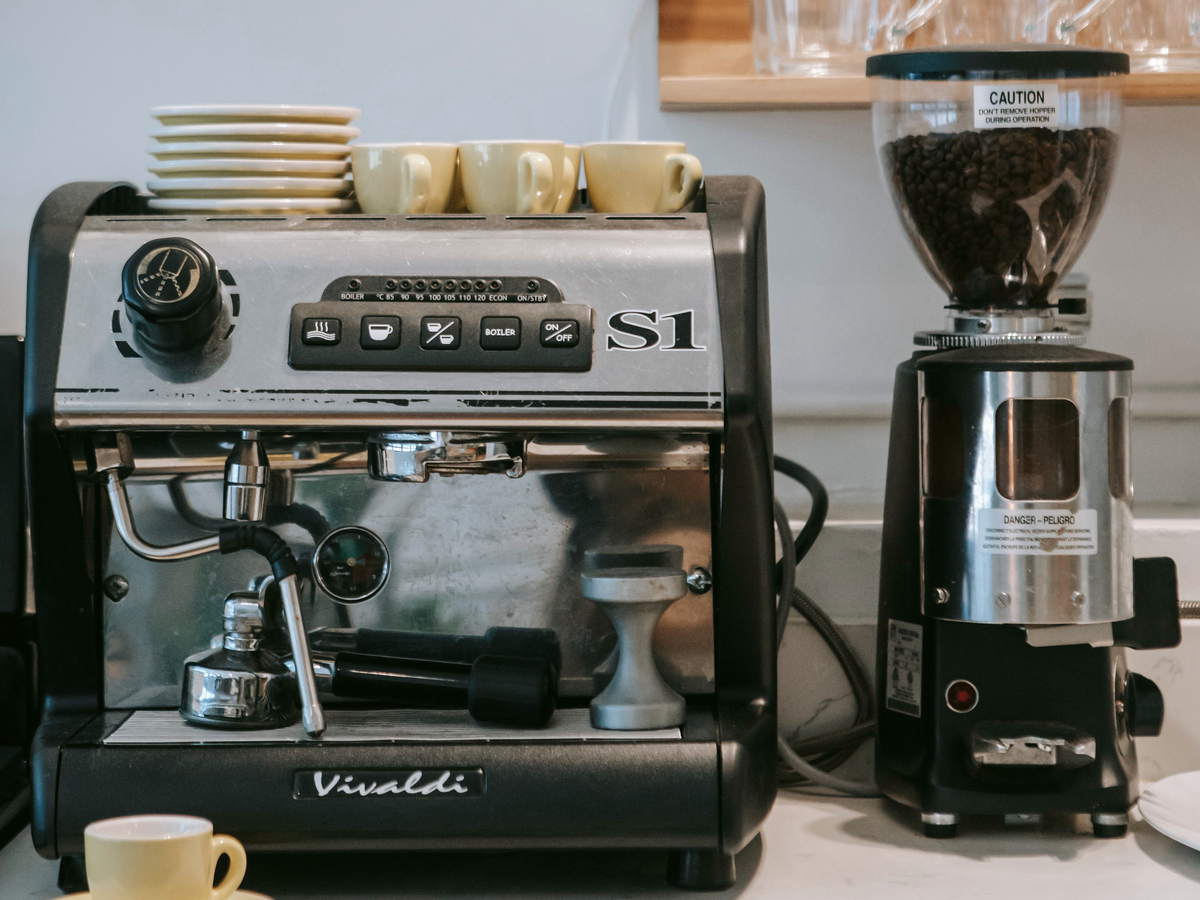
Before you chase a rare origin or another roast level, look at the beans, the grinder and the cup. A small visual check can tell you which question to ask next.
Match the bean to the brew before chasing tasting notes.
There is no universal best coffee bean. The table below is a starting map for a repeatable recipe, not a promise that one roast or origin will suit everyone.
| Brew method | Useful starting direction | What to watch |
|---|---|---|
| Espresso | Medium to medium-dark, or a roast tested for espresso | Grinder quality, puck prep and freshness can outweigh the label. |
| Pour-over | Light to medium when you want more acidity and origin character | Water temperature and grind size change the balance quickly. |
| French press | Medium to dark when body and lower acidity are the priority | Coarse grinding and a clean steep matter more than chasing a country. |
| Cold brew | Medium to dark for a round, chocolate-leaning concentrate | Concentration and dilution can hide or exaggerate roast character. |
Recommendations should be useful after the first cup.
Every future comparison and guide should leave you with a recipe, a tradeoff and a next check - not only a list of products.
Name the brew first
Espresso beans are judged through a different workflow from filter coffee. A useful recommendation states the method up front.
Separate evidence from preference
Recipe details, roast information and repeatable tests belong beside personal tasting notes, not hidden behind a ranking.
Give you a way to adjust
If the cup is sour, bitter, thin or flat, the next step should tell you what to change and what not to change yet.
Coffee bean questions worth answering before checkout.
What are the main coffee bean types?
The main commercial coffee bean types are Arabica and Robusta. Liberica and Excelsa are less common. Type can influence flavor, body and caffeine, but roast, processing, freshness and brew method also shape the cup, so the label is only one part of the decision.
Which coffee beans work best for espresso?
The best espresso beans are the ones that stay balanced in your machine, grinder and recipe. Many people start with a medium or medium-dark roast because it can bring body and sweetness, but light-roast espresso can work when the grinder, water and temperature are controlled.
How should coffee beans be stored?
Store whole coffee beans in a sealed, opaque container away from heat, light and moisture. Avoid leaving the bag open beside the grinder. Keep the beans whole until brewing, and buy a quantity you can finish while the aroma and flavor are still clear.
How long do coffee beans stay fresh?
Coffee beans do not have one exact freshness deadline. The roast date, packaging, storage and how quickly you use the bag all matter. Use the aroma and shot behavior as checks: fading fragrance, weak crema and a flat cup can signal that the coffee has aged.
 English
  Italiano
  Deutsch
  Español
  Français
  العربية
  日本語
日本語  한국어
한국어  香港中文
香港中文  Nederlands
  Português