Gaggia Classic Pro Upgrade Guides

Gaggia Classic Pro Kein Wasser aus dem Brühkopf: Magnetventil, Kalk oder Pumpe?

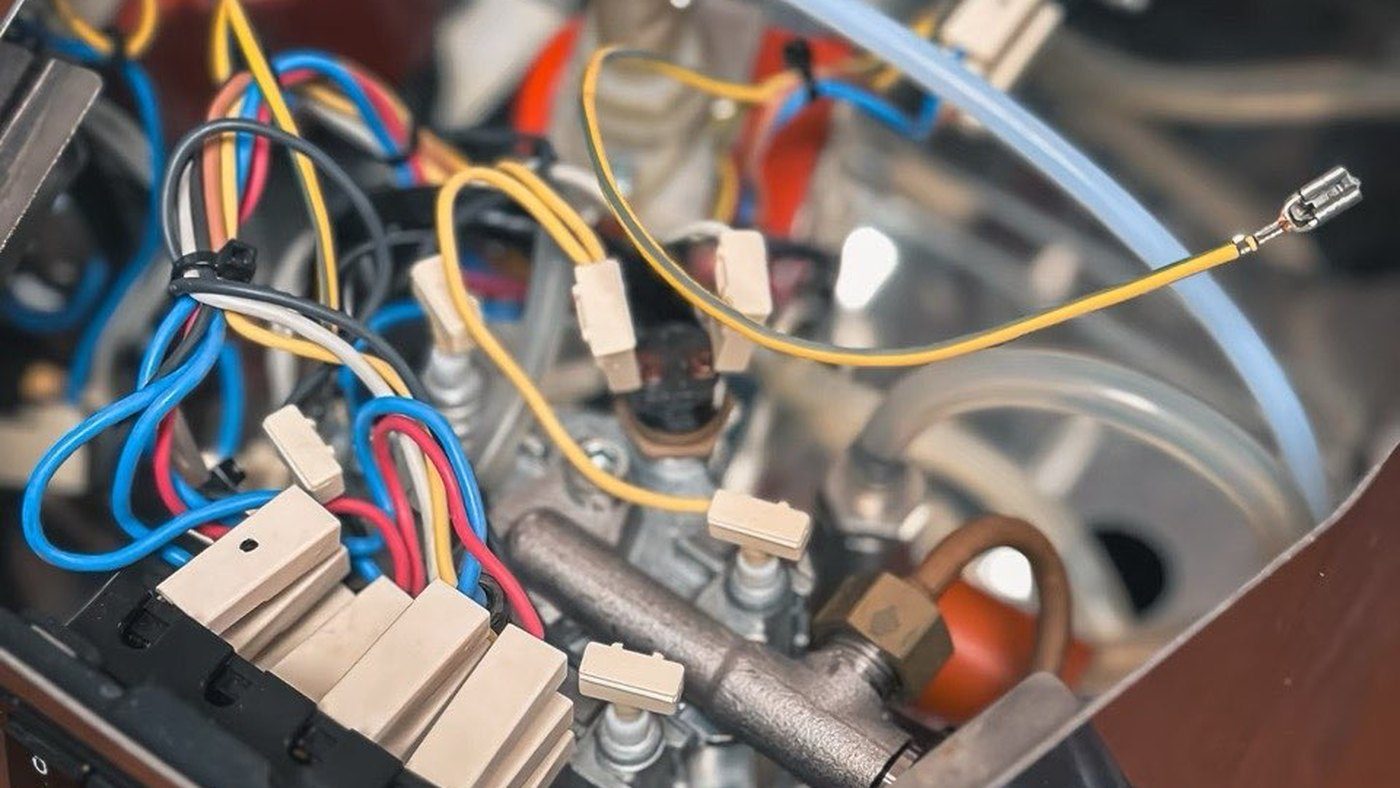
Open Gaggia Classic Pro internal water path and wiring for no-flow diagnosis

Die Pumpe klingt lebendig. Der Dampfstab funktioniert. Der Brühkopf gibt nichts. Sehr unhöfliches Verhalten von einer Metallbox.

If a Gaggia Classic Pro has water from the steam wand but little or no water from the group head, the most likely issue is a blocked solenoid valve or group water path. If both paths are weak, check priming, tank feed, and pump health first.

This problem scares owners because it looks like the machine died. Most of the time, the machine is not dead. It is usually blocked, confused, or asking for maintenance with terrible manners.

Table of Contents

  1. What does this symptom usually mean?
  2. What should you check before opening the machine?
  3. How do you tell solenoid blockage from a pump problem?
  4. Why does scale often cause this problem?
  5. What should you avoid doing?
  6. When should you clean or replace the solenoid?
  7. How can you prevent the same problem later?
  8. FAQ

What does this symptom usually mean?

The machine makes noise. The steam wand flows. The group head stays quiet. That pattern is a clue.

When the steam wand gives strong water flow but the group head does not, the pump can probably move water. The problem is more likely in the group path, the three-way solenoid valve, the shower screen area, or scale sitting where water must pass.

This is the pattern that appears again and again in owner discussions. A user says the pump runs. Water exits the steam wand. The group head gives only a trickle, or nothing. Other owners then ask the same first question: “Did you test the steam wand?” That question matters because it separates two different problems.

If the steam wand flows strongly, the tank feed and pump are not the first suspects. They may still matter, but they move lower on the list. If the steam wand also has weak flow, the diagnosis changes. Then you should check priming, tank seating, tube position, airlock, pump sound, and water intake before blaming the solenoid.

Use this first split:

What you see What it usually suggests First direction
Steam wand flows, group head does not Group path or solenoid blockage Diagnose the solenoid path
Both steam wand and group head are weak Pump, priming, tank feed, or blockage before the boiler Start outside the machine
Pump is silent Electrical, switch, thermal fuse, or pump issue Stop and check power safely
Group flow is slow but not zero Scale, shower screen, dispersion area, or partial solenoid blockage Clean and test in order

This is why the symptom is useful. It tells you where not to start. Do not buy a pump just because the group head is dry. A pump can sound loud and still be weak, but strong steam wand flow is a strong hint that water movement exists.

For a wider maintenance view, save the Gaggia Classic Pro mod safety matrix before opening the machine. Water and mains voltage are not cute together. Even the coffee dog puts the screwdriver down for that part.

What should you check before opening the machine?

Do the easy checks first. They cost less. They also prevent heroic nonsense.

Remove the portafilter, run a brew-flow test, check the tank and tubes, confirm steam wand flow, and inspect the shower screen area before you open the case. These checks help you avoid blaming the wrong part.

Coffee dog mascot holding cleaning brush for Gaggia Classic Pro group head maintenance

Start with the outside of the machine. Remove the portafilter. Put a cup under the group. Turn on brew. Watch the water, not the puck. If you test with coffee in the basket, the puck can hide the real machine symptom. A fine grind, blocked basket, or bad puck can make a healthy machine look sick.

Next, open the steam valve and run water through the wand while the pump is on. If water exits the wand with force, the pump is moving water at least through that path. If the wand only spits air, check the tank, intake tubes, priming, and pump before touching the solenoid.

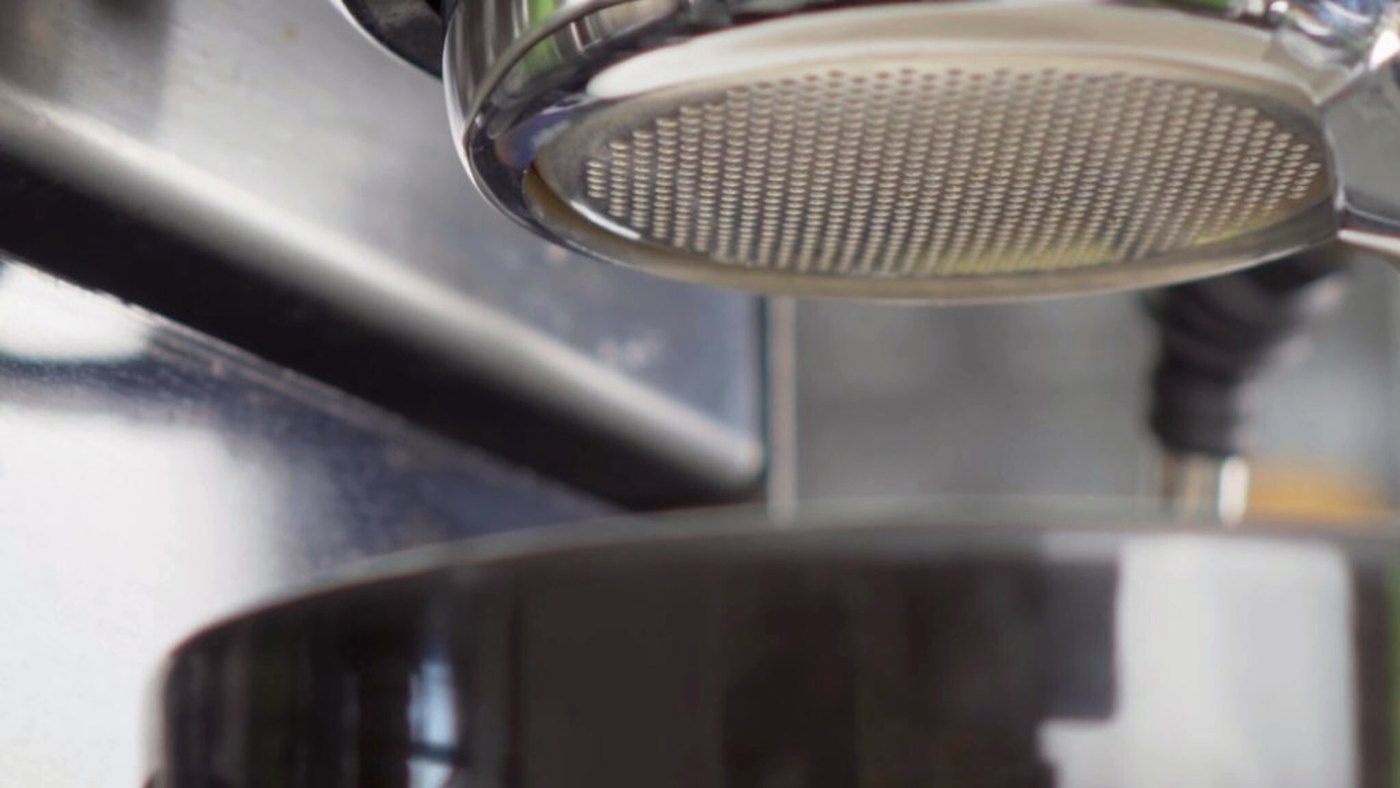
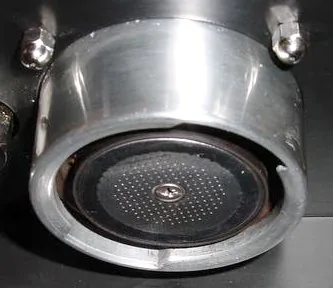
Then inspect the group head. Remove the shower screen if it is dirty. Clean old coffee oils and fines. A blocked screen usually causes slow flow, not a totally dead group, but it is still worth checking. It is the cheap suspect. Cheap suspects should line up first.

Check How to do it What it tells you
Tank position Reseat the tank and confirm tubes sit in water Prevents a false pump diagnosis
Portafilter removed Brew into a cup with no basket Separates machine flow from puck resistance
Steam wand flow Open steam valve and run pump Confirms whether the pump can move water
Shower screen Remove and clean the screen area Removes a simple restriction
Drain tube behavior Watch the tube into the drip tray after brew Gives a clue about solenoid action

Whole Latte Love uses a similar logic in its support path. Their solenoid troubleshooting page points to the solenoid when steam flow exists but brew flow does not, and it also suggests testing brew flow without the portafilter attached. That is exactly the kind of boring test that saves money.

How do you tell solenoid blockage from a pump problem?

The steam wand is your first witness. Listen to it. It saw things.

A blocked solenoid is more likely when the pump runs, the steam wand flows, and the group head has no flow. A pump or priming issue is more likely when both the steam wand and group head have weak or no flow.

Gaggia no-flow diagnostic map for group head, solenoid, scale, and pump symptoms

The three-way solenoid valve controls the brew path and pressure release path. When it works, water can move through the group during brewing, and pressure can release after the shot. When it clogs, water may still move through the steam wand because that path is different. This is why the steam wand test matters so much.

Forum owners often describe the same exact pattern. They run the pump. The wand gives water. The group stays dry. Other users then suggest solenoid cleaning, descaling, or toggling the steam switch while brewing to make the solenoid move. Sometimes the quick toggle helps. Sometimes it does nothing. If the blockage is heavy, the valve may need manual cleaning.

Use this diagnosis table:

Symptom More likely cause Better next step
Strong steam wand flow, no group flow Blocked solenoid or group path Clean group path, then solenoid
No steam wand flow and no group flow Pump not primed, tank tube issue, or pump fault Prime and test water feed
Group flow returns after switch toggling Sticking solenoid or small debris Descale and monitor
Flow returns, then blocks again Scale or debris still inside boiler/path Deeper cleaning may be needed
Pump sounds weak or changes pitch with no water Airlock, dry pump, or failing pump Stop, prime, and test safely

The most useful rule is simple. A solenoid diagnosis is stronger when the steam wand works. A pump diagnosis is stronger when no path works.

This article connects with the Gaggia Classic Pro First-Shot Checklist because both topics start with repeatable tests. The machine gives better answers when the test is clean.

Why does scale often cause this problem?

Scale does not need to be huge. One small piece can ruin the morning.

Scale can break loose during use or descaling and lodge in the solenoid valve or group water path. This can create sudden low flow, no group flow, or repeated blockage after cleaning.

The solenoid valve has small passages. That is the whole annoying beauty of the thing. It does not need a rock to block it. A small piece of scale, mineral debris, or boiler residue can sit in the wrong place and stop the group path.

This is why some owners report that descaling makes the issue worse at first. The descaler may loosen scale from the boiler. That loose scale then travels and blocks the solenoid. The descaler did not create the original scale problem. It revealed the travel problem. Espresso machines are very good at making one problem wear a fake mustache.

Water quality changes the risk. Hard water creates scale faster. Very aggressive or poorly buffered water can create other corrosion risks. Old machines can also hold years of mineral buildup inside the boiler. A machine can look clean on the outside and still carry a tiny gravel festival inside.

Cause How it creates no flow What helps
Hard water scale Scale breaks loose and blocks small passages Better water and regular maintenance
Long maintenance gap More buildup collects before cleaning Clean earlier, not only after failure
Dirty shower screen Coffee oils and fines restrict group flow Backflush and clean the screen
Boiler debris Debris keeps reblocking the valve Deeper boiler-path cleaning
Wrong diagnosis Owner replaces pump first Test steam wand and group separately

For the water side, the existing Brewing & Water Chemistry page is the natural next reference. The next dedicated article in this series should go deeper on water because water is not just a taste topic. It is also a repair topic.

What should you avoid doing?

Do not turn troubleshooting into a parts cannon. The machine is not a carnival duck.

Avoid running the pump dry, replacing the pump before testing flow paths, bypassing safety parts, or repeating strong descaling cycles without understanding where the blockage sits.

Here is the main danger. A no-flow problem makes people impatient. They hear the pump. They see no water. They assume the pump is bad. Then they buy a pump. After installation, the group head still gives nothing. Now they have a new pump, the same blockage, and a grumpy wallet.

The second danger is endless descaling. Descaling can help when scale is the problem, but it is not a magic drain cleaner. If the solenoid is physically blocked, solution may not reach the place that needs cleaning. If debris keeps moving from the boiler, the valve may clog again after one shot. More acid is not always the better answer.

The third danger is unsafe testing. Do not open the machine while it is plugged in unless you are trained and know exactly what you are doing. Do not touch internal wiring with wet hands. Do not bypass a solenoid, thermostat, ground wire, switch, or safety device to “see what happens.” What happens may be bad. The coffee dog will not sign that permission slip.

Do not do this Why it is risky Better move
Run the pump dry for long periods Pumps need water and priming Stop and prime correctly
Replace the pump first Strong wand flow points away from pump first Test the group path
Keep descaling forever It may not reach a blocked valve Clean the valve if needed
Ignore the shower screen Simple restrictions can mimic bigger issues Clean the outside path first
Open live wiring casually Shock risk is real Unplug and discharge safely

If the machine is under warranty, pause before internal service. Document the symptom. Take short videos of steam wand flow and group flow. Contact the seller or manufacturer. Warranty support likes clear evidence more than a dramatic paragraph.

When should you clean or replace the solenoid?

Clean first when blockage is likely. Replace only when cleaning and testing point there.

You should consider solenoid cleaning when steam wand flow is strong, group flow is weak or absent, and basic group cleaning does not restore flow. Replacement makes more sense if the valve is damaged, electrically faulty, or keeps failing after proper cleaning.

The solenoid can fail in more than one way. It can be blocked by scale or debris. It can stick. It can fail electrically. It can also be innocent while the boiler path keeps feeding it debris. This is why the article title includes solenoid, scale, and pump. These three suspects love standing near each other.

Whole Latte Love lists no brew flow under clogged solenoid logic in its Gaggia Classic Pro support materials. It also separates “no brew or steam” into pump or priming issues. That distinction is useful. Use it before buying parts.

Here is a clean decision sequence:

  1. Confirm water in the tank and tubes.
  2. Confirm pump sound.
  3. Test steam wand flow.
  4. Test group flow with no portafilter.
  5. Clean shower screen and group surface.
  6. Try normal descaling if maintenance is overdue.
  7. If wand flow is strong and group flow remains weak, inspect or clean the solenoid.
  8. If both paths are weak, prime and test the pump path first.

Coffee dog mascot inspecting water pump and valve parts for Gaggia Classic Pro flow troubleshooting

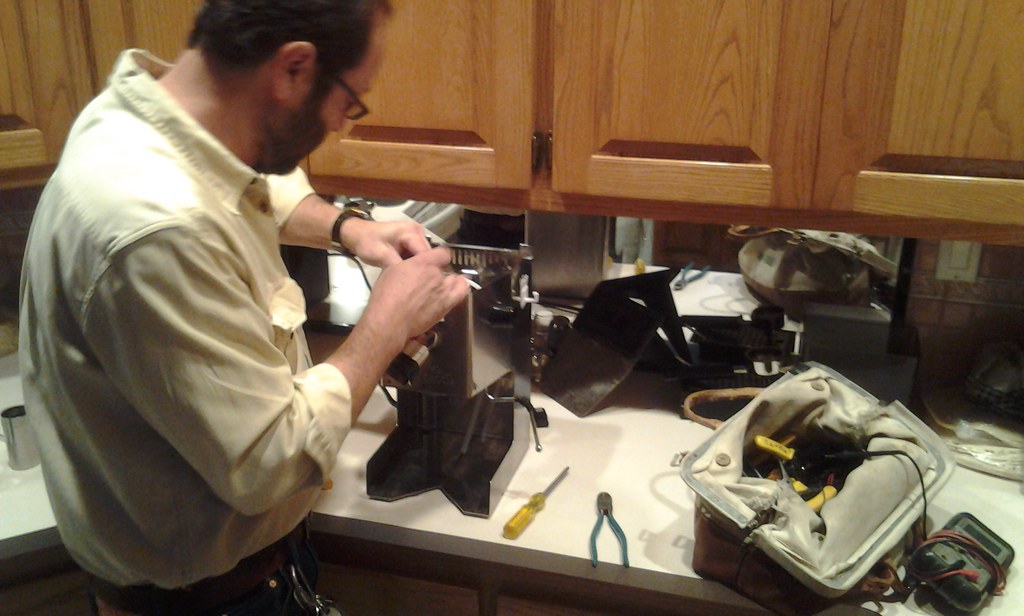
Cleaning a solenoid is a real service job. It can be manageable for careful owners, but it is not the same as wiping a drip tray. Take photos before disconnecting wires. Label connectors. Work cold. Work unplugged. Keep screws organized. If you feel unsure, stop and use a repair guide or professional support.

Replacement is not the first move unless the evidence points there. A dirty valve can look like a dead valve. A dead pump can look like a blocked path. A clogged boiler can reblock a clean valve. Good troubleshooting is not exciting. It is just cheaper.

How can you prevent the same problem later?

Prevention is mostly boring. Good. Boring is cheaper than parts.

Use suitable water, backflush regularly, clean the shower screen, descale according to water hardness and model guidance, and avoid waiting until flow has already collapsed.

The best prevention plan is not one universal calendar. It depends on water hardness, drink volume, and machine model. A person using hard water daily needs a different plan from a person using low-scale water twice a week. The wrong plan can be either too weak or too aggressive.

Here is a practical baseline:

Maintenance task Why it matters Useful rhythm
Water check Reduces scale and corrosion surprises Before problems start
Backflush with cleaner Removes coffee oils from the group path Often, based on use
Shower screen cleaning Prevents false low-flow symptoms Weekly to monthly
Descaling Controls mineral buildup Based on water hardness
Flow test Catches restriction early When flow changes

A flow test is underrated. Run water through the group with no portafilter and watch the behavior. You do not need lab equipment to notice a big change. If flow slowly declines, the machine is giving you time. If you ignore it, the machine may choose the dramatic route.

This also belongs in your upgrade planning. A machine with poor maintenance should not receive performance upgrades first. Fix health before performance. If you are deciding what to improve after service, use Eine praktische Upgrade-Reihenfolge für die Gaggia Classic Pro or the Referenzbibliothek.

FAQ

Why does water come from the steam wand but not the group head?

The pump can move water through the steam wand path, but the group path may be blocked. A clogged solenoid valve is a common suspect in this pattern.

Is the pump bad if the group head has no water?

Not always. If the steam wand has strong water flow, the pump is probably moving water. Test the group path before replacing the pump.

Can descaling fix a blocked solenoid?

Sometimes. If the blockage is light, descaling or solenoid movement may help. If the valve is physically blocked, manual cleaning may be needed.

Should I backflush when the group head has no flow?

Backflushing needs group flow to work well. If there is no group flow at all, diagnose the blockage first. Do not force a routine that water cannot follow.

Is it safe to open the Gaggia Classic Pro?

It can be safe for careful users, but only with the machine unplugged, cool, and depressurized. If you are not comfortable around wiring, use professional support.

No group flow does not always mean a dead machine. Test the water paths in order, and the machine usually tells you where the trouble sits.

References