
How to maintain your espresso machine
Descaling, backflushing, gaskets, water, and the daily routine that keeps a machine alive. Covers Gaggia Classic, Rancilio Silvia, DeLonghi Dedica, Flair 58, and Lelit Anna - what's the same, what's different, and what actually matters.
Maintain your espresso machine the way I maintain mine: descale on schedule, backflush weekly, swap the group gasket before it leaks, and feed it filtered water. Skip any of those and your shots go sour in six months. Maintenance kits live here.
Descale every 3 months on hard water, every 6 on soft. Backflush weekly with a blind basket and Cafiza on machines with a 3-way valve (Gaggia, Silvia, Lelit Anna); skip it on the Dedica and Flair 58. Replace the group gasket every 1-2 years or when your portafilter starts dripping. Run water with TDS 50-150 ppm. Wipe the shower screen daily.
I've rebuilt enough of these machines to know where neglect shows up earliest. Below are the ten questions owners actually ask me on the bench, with answers built from fixing real Gaggias, Silvias, Dedicas, Flairs and Lelits. Same hand that pulled the shots wrote the words.
How often should I descale my Gaggia?
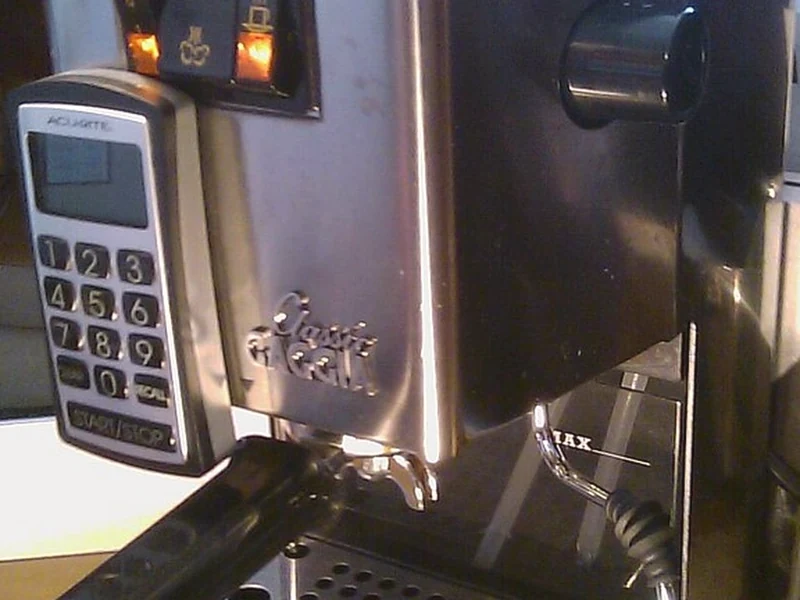
Hard water means every three months on the dot, soft water stretches to six. I run citric acid through my Gaggia Classic at the four-month mark because London tap sits mid-range. Scale builds inside the boiler as a chalky crust, blocks your group head, strangles flow until shots pour thin and cold. Ignore it long enough and the heating element cooks itself against scale crust, then you're shopping for a new boiler. The fix is boring and cheap: mix 25g citric acid per litre of warm water, run half through the group, let it sit twenty minutes, flush two tanks of clean water. If you want the bottled version, grab a dedicated descaler from our maintenance kit. Taste the rinse water before you call it done. Sour means rinse again.
Key takeaway: Descaling your Gaggia every 3-6 months keeps the boiler alive; waiting until shots go cold means scale already won.
Can I backflush a Rancilio Silvia?
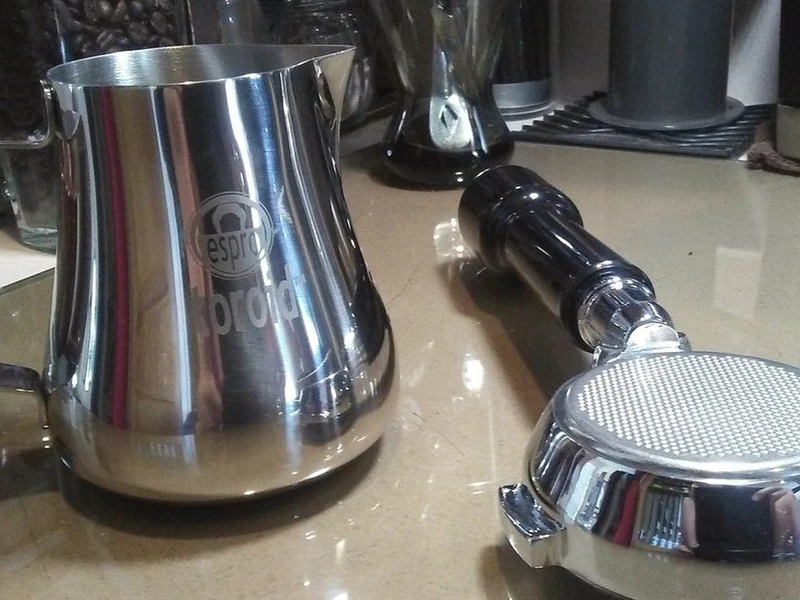
Yes, and you should, weekly. Silvia has a three-way solenoid valve that vents pressure through an OPV tube into your drip tray when you cut power. Backflushing pushes cleaner backwards through that valve, clearing rancid oils from your group head and valve body. Without it your espresso starts tasting of stale peanuts after a month. Drop a Cafiza tab in a blind basket, lock it in, run the pump five seconds, wait ten, repeat ten times. Pull the basket, rinse, lock it back in and run ten more cycles with clean water, flushing cleaner out. Skip backflush on machines without a 3-way valve. If Silvia spits from its group head instead of that OPV tube during backflush, the valve has clogged or your gasket has failed.
Key takeaway: Silvia's 3-way solenoid loves a weekly Cafiza backflush; skip it and stale oils take over the group head.
Does the Dedica need backflushing?
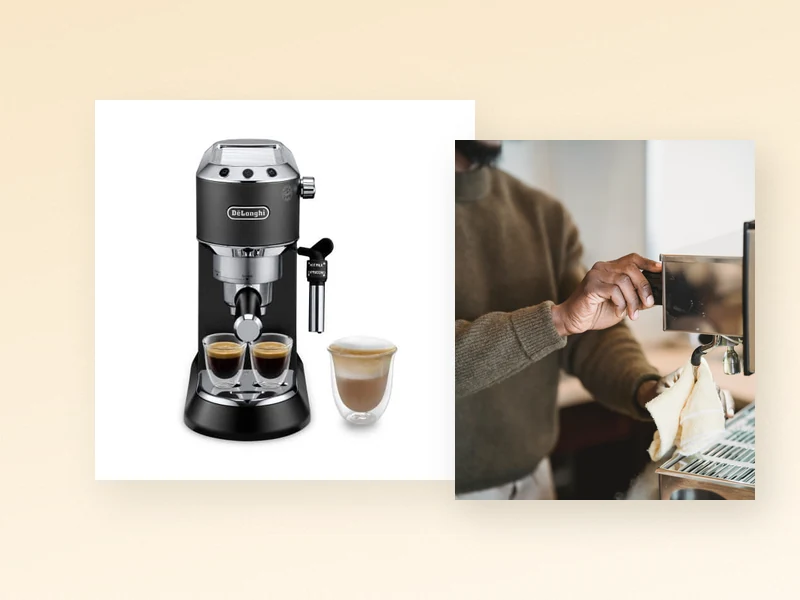
Not the same way. The Dedica EC685 has no three-way solenoid, so a proper backflush has nowhere to go. Pressure builds against a closed blind basket and you risk blowing seals or cracking the group head. What you do instead is a fake flush: pull the portafilter out, run a blank shot through an empty basket, wipe the shower screen with a damp cloth, and once a month run a Cafiza solution through the group with a normal basket in. Let the pump run ten seconds, pause ten, repeat five times. Rinse with two clean tanks. The Dedica group is small and the thermoblock is delicate, so treat it like a guest, not a workhorse. Push hard and you'll be replacing the whole group head. Full Dedica guide here.
Key takeaway: Dedica has no 3-way valve; fake-flush with a normal basket and wipe, never blind-backflush a thermoblock machine.
When should I replace the group gasket?
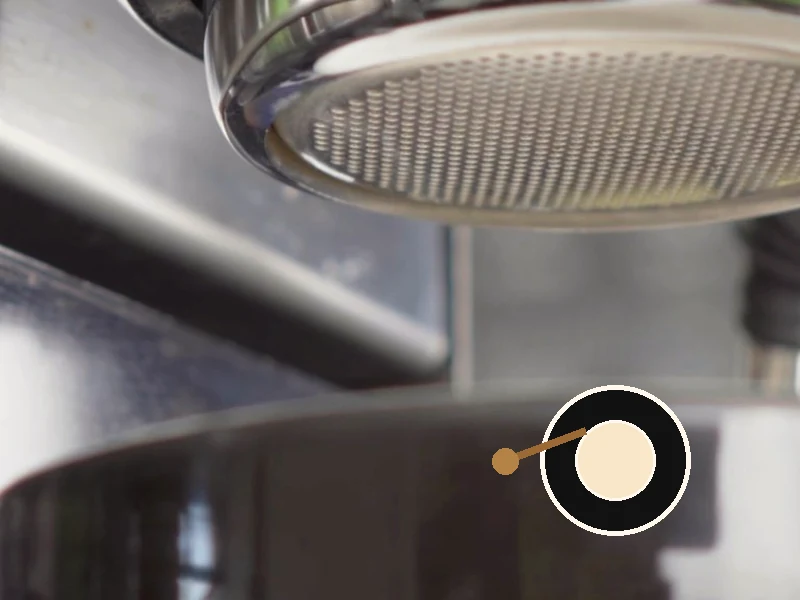
Every 12 to 24 months, or the moment you see water creeping down the portafilter spout while pulling a shot. A healthy gasket seals dry. Once it hardens, cracks, or flattens, you lose pressure and the puck channels. Pulling a gasket out is ugly the first time: heat the group head with a hot shot, wedge a pick under the rubber, lever it out in chunks if you have to. Clean the groove with a brass brush, lube the new gasket with a drop of food-grade silicone, press it in by hand. Gaggia and Silvia take standard 8mm group gaskets. The Dedica uses a proprietary ring. The Lelit Anna wants a 57mm. The Flair 58 uses an o-ring you swap every two years or never, depending on use. Gasket kits here.
Key takeaway: Replace the group gasket at 12-24 months or when the portafilter drips; old rubber costs you pressure and ruins shots.
What water is best for espresso?
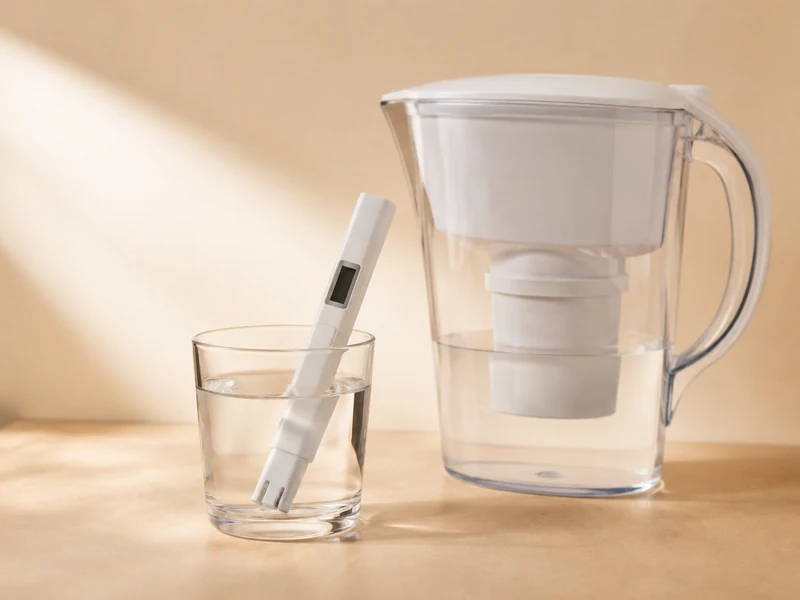
TDS between 50 and 150 ppm, hardness around 3-5 grains, low alkalinity. Distilled water sounds clean but it corrodes brass over time and tastes flat. Tap water in most of the UK and southern Europe is too hard and scales your boiler in a season. My bench recipe: 80 ppm Reverse Osmosis water remineralised with a pinch of potassium bicarbonate, or bottled Ashbeck straight out the jug if I'm lazy. Test your tap with a 15 quid TDS meter before you commit. Soft water means longer descale intervals. Hard water means you fight scale every quarter. Filter jugs and test kits here.
| Water type | TDS (ppm) | Hardness (grains) | Verdict |
|---|---|---|---|
| Soft | <50 | <2 | Too soft, flat shots, brass corrosion risk |
| Ideal | 50-150 | 3-5 | Sweet spot, descale every 6 months |
| Hard | 150-250 | 6-10 | Filter mandatory, descale every 3 months |
| Very hard | >250 | >10 | RO or bottled only, boiler killer |
Key takeaway: Aim for TDS 50-150 ppm at 3-5 grains; distilled eats brass, hard tap eats boilers, only the middle lane lasts.
How do I descale a Flair 58?
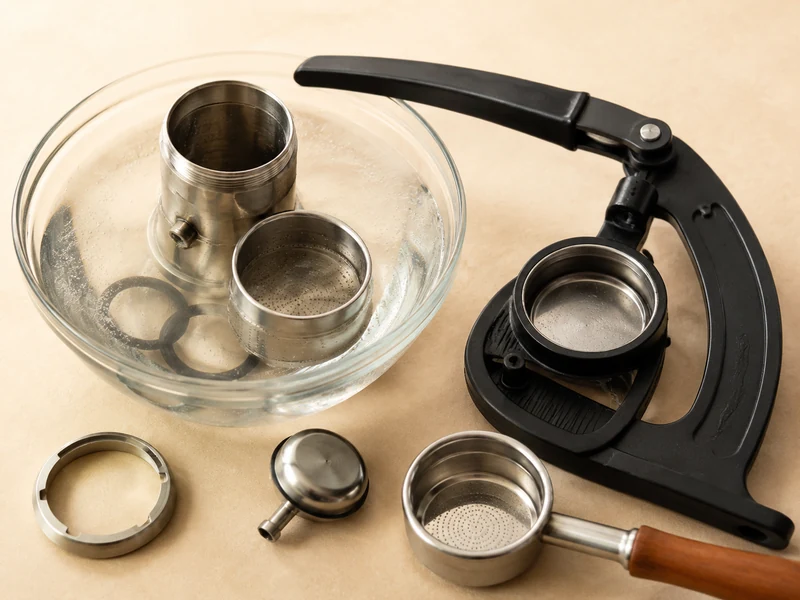
Differently. The Flair has no boiler, no thermoblock, no sealed water path. Scale builds in the kettle you boil, not in the lever. Descale the brew cylinder by soaking it in citric acid solution for twenty minutes, rinse, dry. Descale your kettle separately, because that's where the chalk lives. The piston o-rings want a wipe with food-grade silicone every few months, swap them when the lever starts feeling gritty or you see weeping from the seal. Flair owners skip the backflush entirely, since there's no group head to push cleaner through. The lever is honest: if it feels different than last week, something has worn, and it's almost always the o-ring. Full Flair guide here.
Key takeaway: Flair 58 has no boiler; soak the cylinder, lube the o-rings, descale your kettle, and skip the backflush.
What's the Lelit Anna maintenance schedule?
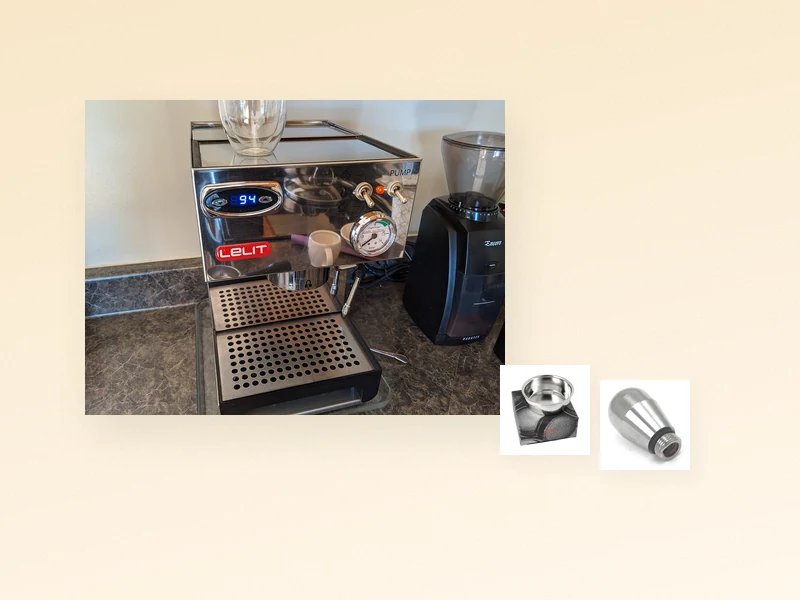
Same family as the Silvia: three-way valve, brass boiler, 57mm group. Descaling every 3-6 months depending on water hardness, backflush weekly with Cafiza, gasket at 18 months, shower screen every year. The Anna's PID is the one piece of extra care: keep the probe dry when descaling, don't submerge the group head. The OPV on the Anna sits at the rear and is fiddlier to adjust than Silvia's, so set it once to 9 bar and leave it alone. Puck pressure issues on the Anna almost always trace back to a worn group gasket or a clogged shower screen, not the pump. If your shots suddenly run fast at the same grind, swap the gasket before you touch the grinder. Lelit Anna guide here.
Key takeaway: Anna follows Silvia's schedule plus PID probe care; gasket and screen are the usual suspects, not the pump.
Which descaler should I use?
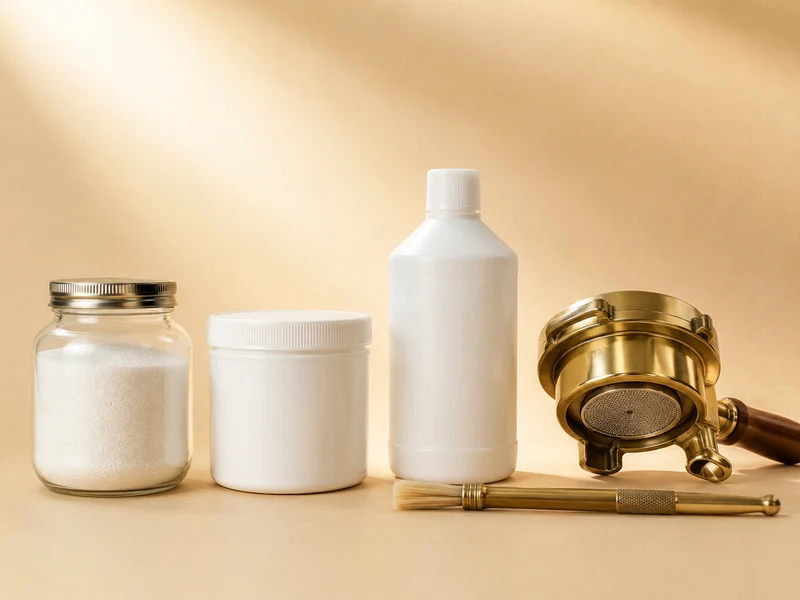
Citric acid first, always. It's cheap, food-safe, and dissolves carbonate scale without eating brass. Vinegar works but it stinks and leaves a taste I can pick up three shots later. Commercial descalers (De'Longhi EcoDecalk, Puly Descaler, Urnex Dezcal) are mostly citric or lactic acid with a surfactant added; they work, they cost more. Avoid hydrochloric acid descalers on any espresso machine, full stop. They strip chrome, eat brass, and shorten the life of your boiler by years. For a Gaggia or Silvia, 25g citric acid per litre of water, two litres total. For the Dedica, one litre is plenty. The Flair needs a soak, not a cycle. Descalers here.
| Machine | Hard water | Soft water | Notes |
|---|---|---|---|
| Gaggia Classic | 3 months | 6 months | Brass boiler, 3-way valve, 2L cycle |
| Rancilio Silvia | 3 months | 6 months | Brass boiler, 3-way valve, 2L cycle |
| DeLonghi Dedica | 3 months | 6 months | Thermoblock, 1L light cycle only |
| Flair 58 | Quarterly soak | Biannual soak | No boiler, descale kettle separately |
| Lelit Anna | 3 months | 6 months | Brass boiler, keep PID probe dry |
Key takeaway: Citric acid at 25g/L is the bench default; commercial descalers cost more for the same job, hydrochloric acid is a hard no.
What's the daily espresso machine routine?
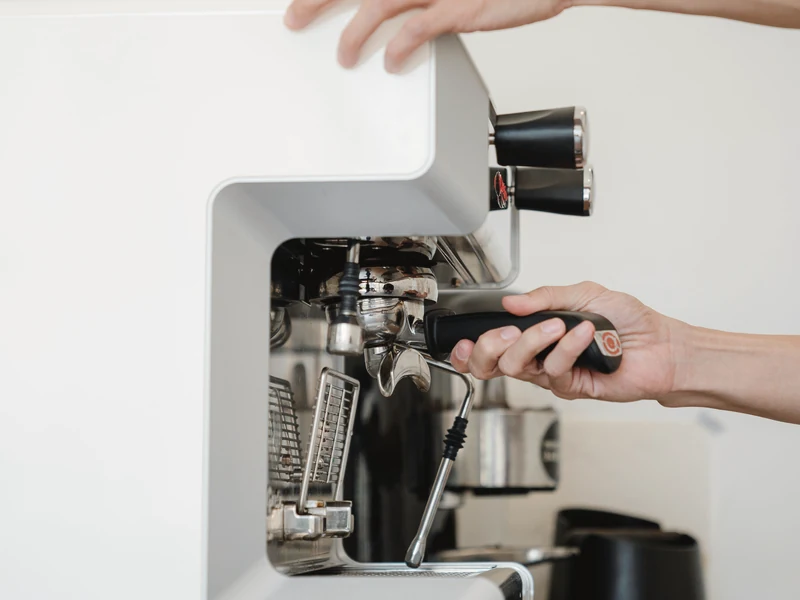
Pull a blank shot through a clean basket before your first espresso, to warm the group and flush last night's residue. Wipe the shower screen with a damp microfibre after every shot. Knock the puck, wipe the basket, relock the portafilter so the gasket doesn't dry out. Empty the drip tray before it fills to the brim, because overflow kills the base of Gaggias and Lelits. Backflush with water only after the last shot of the day. Once a week, run the full Cafiza backflush and soak the portafilter basket in Cafiza solution for ten minutes. Monthly, pull the shower screen and scrub the group head with a brass brush. The pattern stays the same across all five machines; only the backflush step changes. Routine kits here.
Key takeaway: Daily wipe and water flush, weekly Cafiza backflush, monthly screen pull; same five-minute habit across all five machines.
How do I clean the shower screen?
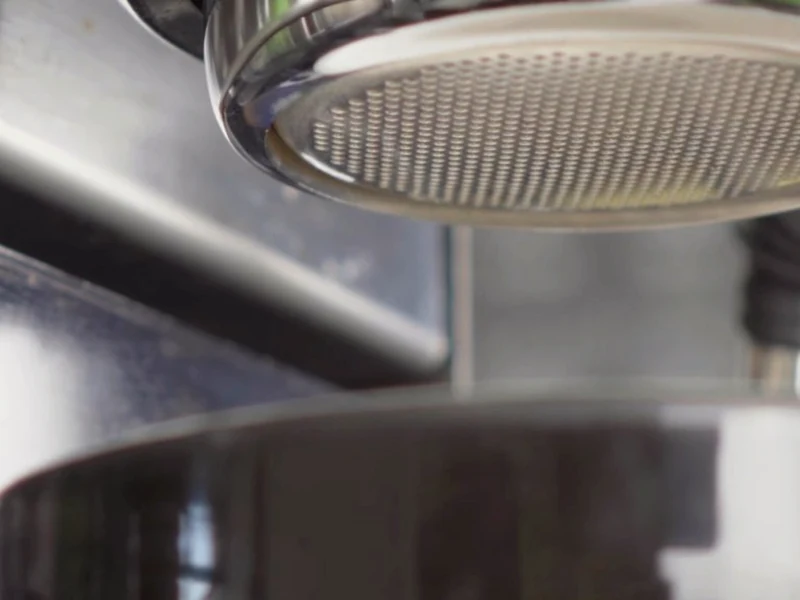
Pop it out with a pick or a flathead screwdriver, once a month. The screen sits under a dispersion plate on most machines; on the Gaggia Classic it's a friction fit, on the Silvia two screws hold it, on the Lelit Anna the same two-screw pattern applies. Soak the screen in Cafiza solution for fifteen minutes, scrub with a soft brush, rinse, refit. Black gunk on the screen means your Cafiza backflushes are overdue. A warped or cracked screen causes channeling, so replace it. On the Dedica the screen is held by a clip and breaks easily if you pry wrong; go slow. The Flair 58 has no shower screen, only a dispersion screen on the piston, and it wants the same soak. If shots channel after cleaning, the screen or the gasket is the usual suspect.
Key takeaway: Pull the shower screen monthly, soak in Cafiza, scrub soft; warped screens channel shots and need replacing.
Frequently asked questions
Can I use vinegar to descale my espresso machine?
It works, but I don't recommend it. White vinegar at 5% acetic acid dissolves scale slowly and leaves a smell that survives three rinse cycles. Citric acid at 25g per litre does the job faster, rinses clean, and costs a fiver for a kilo. Save vinegar for the kettle.
What's the best water for espresso?
Reverse Osmosis remineralised to 80 ppm, or bottled Ashbeck if you can't be bothered. Aim for TDS 50-150 ppm at 3-5 grains and low alkalinity. Test your tap with a meter before trusting it; hard tap water will scale a brass boiler in a single season.
How do I know if my group gasket is failing?
Water drips from the portafilter spout during a shot, the puck feels soggy, pressure drops, or the portafilter rotates past its normal lock point. Any of those means the rubber has hardened or cracked. Swap the gasket before you chase the grinder.
Can I backflush without Cafiza?
Water-only backflushes are fine for daily use. For the weekly clean you need a detergent, otherwise oils stay in the group head. Cafiza, Puly Caff, and Joe Glo all work. Dish soap does not, and it will foam into the valve and wreck the taste of your next ten shots.
How long do espresso machines last with proper care?
A Gaggia Classic or Silvia will outlive you with a gasket swap every two years and a descale every six months. Thermoblock machines like the Dedica last 5-8 years before the block gives up. Lever machines like the Flair 58 last decades, only o-rings wear out. Neglect cuts every number in half.
That's the whole maintenance picture across the five machines I see most. If yours is doing something weird that this didn't cover, talk to us and we'll diagnose it on the bench.
Keep it alive.
A maintained machine pulls better shots and lasts decades. If you're not sure what your machine needs, talk to us - we'll tell you what to do first.
 English
  Italiano
  Deutsch
  Español
  Français
  العربية
  日本語
日本語  한국어
한국어  香港中文
香港中文  Nederlands
  Português