
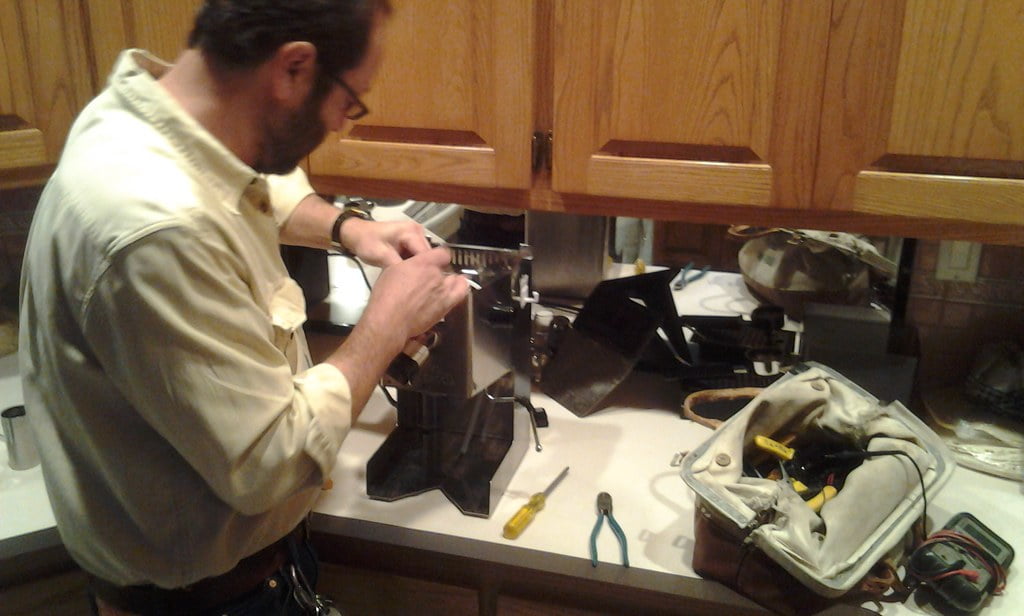
Das Classic Evo Pro ist eine Überarbeitung des Classic Pro, keine andere Espresso-Plattform. In Nordamerika ergänzte der Evo 2023 ab Werk ein 9-Bar-OPV, einen Edelstahl-Siebträger, eine überarbeitete Gruppenabdeckung/Halterung und eine veränderte Kesselgeschichte. Wenn Sie 2026 neu kaufen, ist das aktuelle E24 der relevantere Bezugspunkt, weil Gaggia Nordamerika es inzwischen mit Messingkessel und 9-Bar-OPV verkauft.
Was änderte sich vom Classic Pro zum Evo Pro?
Das Grundlayout blieb vertraut: Einkessel-System, 58-mm-Kommerzformat-Brühgruppe, kommerzielle Dampflanze und Drei-Wege-Magnetventil-Architektur. Das nordamerikanische Evo-Update 2023 konzentrierte sich auf Druckkalibrierung und Edelstahl-Hardware rund um diese Plattform.
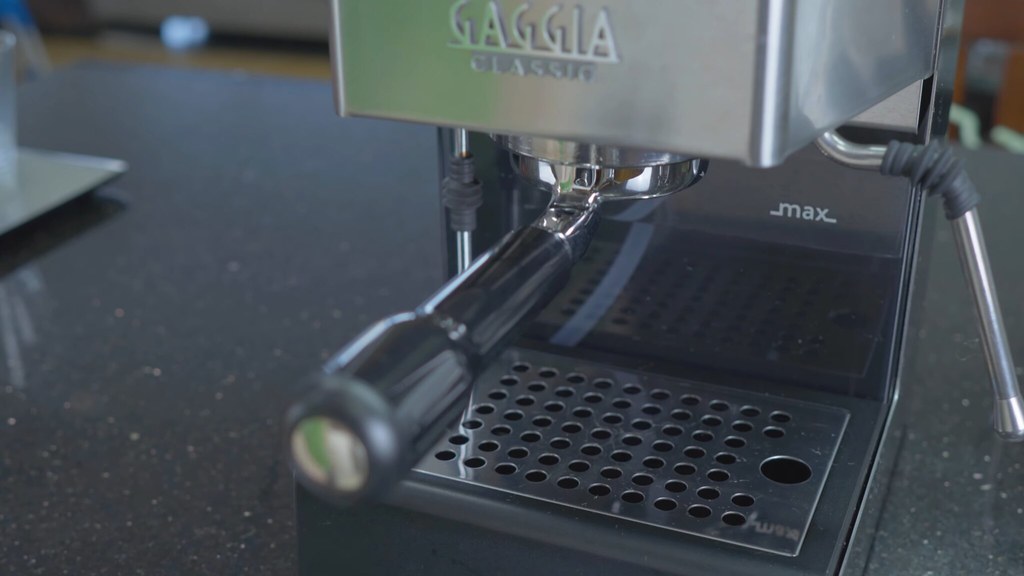
| Bereich | Classic Pro (Kontext 2019–2022) | Classic Evo Pro (2023, Nordamerika) |
|---|---|---|
| Brühdruck | Frühere nordamerikanische Konfiguration; das Absenken des Brühdrucks wurde eine verbreitete Besitzer-Modifikation | 9-Bar-OPV in der nordamerikanischen Evo-Konfiguration |
| Siebträger | Verchromter Messing-Siebträger im Kommerzformat | Polierter 58-mm-Edelstahl-Siebträger im Kommerzformat |
| Gruppenrahmen / Halterung | Früheres Gruppenabdeckungs- und inneres Halterungsdesign | Edelstahl-Gruppenabdeckung mit überarbeiteter Halterung für Kessel und Pumpe |
| Kessel | Aluminiumkessel-Plattform | Die Kesselspezifikation variiert je nach Einheit/Historie; das ursprüngliche Einführungsmaterial beschrieb eine Kalkschutzbeschichtung, während manche aktuelle Händler-Angebote ausdrücklich „unbeschichtet“ angeben |
| PID / Manometer | Kein Werks-PID oder Brühdruck-Manometer | Kein Werks-PID oder Brühdruck-Manometer |
Was ist mit dem Evo-Pro-Kessel passiert?
Der Kessel ist der Teil, der alte Vergleichsartikel altern lässt. Gaggias Evo-Einführungsmaterial 2023 beschrieb eine kalkabweisende Kesselbeschichtung. Ein öffentlicher SaferProducts-Vorfallsbericht dokumentierte später schwarze Flocken aus der Dampflanze einer 2023er RI9380/46-Einheit; die Herstellerantwort darauf stellt fest, dass kein Schaden gemeldet wurde, und verweist auf die Produktkonformität. Dieser Bericht ist kein Rückruf und belegt keine Ausfallrate.
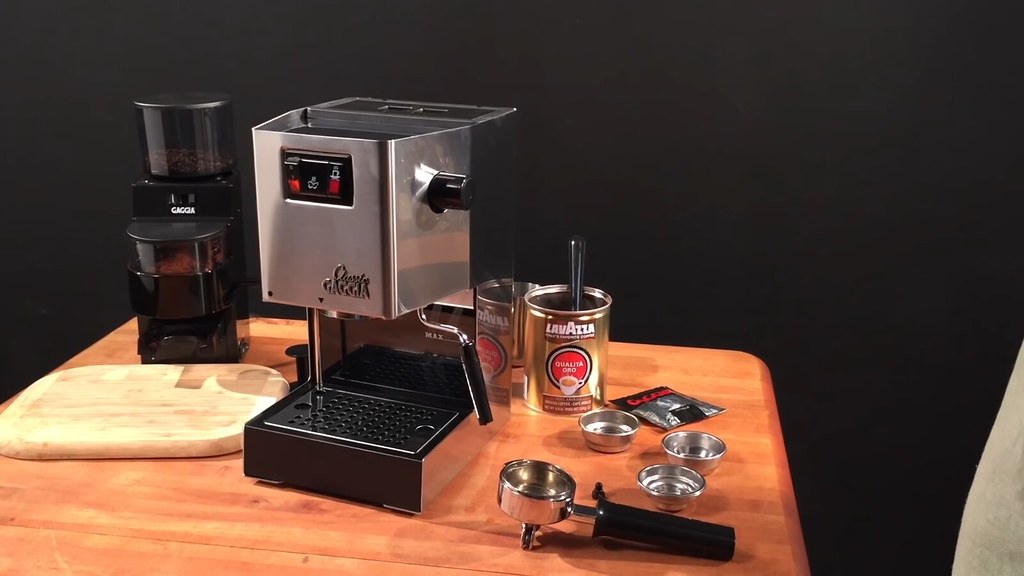
Aktuelle Whole-Latte-Love-Angebote für einige Evo-Pro-Einheiten beschreiben ausdrücklich einen unbeschichteter Kessel, während ältere Evo-Angebote und Limitierungen noch die frühere Beschreibungssprache zeigen können. Die nützliche Kaufregel ist daher einfach: Leiten Sie die Kesselbauart nicht allein aus dem Wort „Evo“ ab. Prüfen Sie das exakte Angebot, die Produktions-/Servicehistorie und das tatsächlich verbaute Teil.
Gaggia Nordamerika verkauft außerdem eine aktuelle Messingkessel-Baugruppe und listet sie als kompatibel mit Classic, Classic Pro und Classic Evo Pro; Dichtungen und Hardware sind separat. Diese Teilverfügbarkeit ändert den Reparaturweg, sagt Ihnen aber nicht, was in einer gebrauchten Maschine bereits verbaut ist.
Worauf sollten Sie bei einem gebrauchten Kauf beider Modelle achten?
Der Zustand zählt mehr als das Generationslabel. Fragen Sie nach dem exakten Typenschild, einem Gruppenfluss-Video, einem Dampftest, der Leckhistorie, der Wasserhistorie, den Serviceunterlagen sowie Kessel- oder OPV-Arbeiten. Fragen Sie bei einem Evo gezielt, ob der Kessel ersetzt wurde und ob jemals Partikel gemeldet wurden.
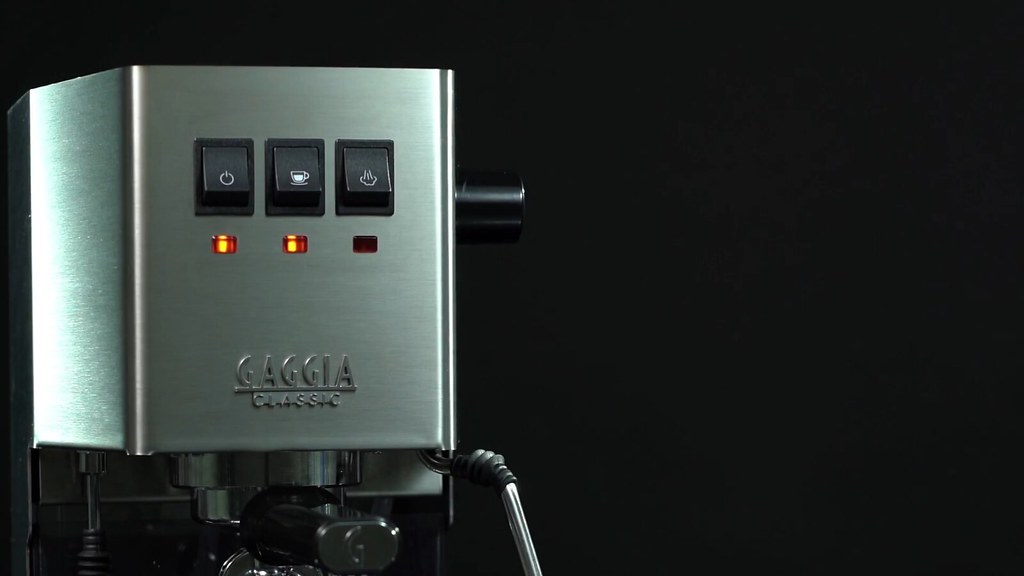
| Gebrauchtmaschine-Check | Warum es zählt |
|---|---|
| Leserliches Typenschild und Region | Bestätigt, welche Anleitungen und Teile gelten |
| Gruppen- und Dampffluss | Zeigt offenkundige Wasserweg- oder Pumpenprobleme vor dem Kauf |
| Kessel-/Servicehistorie | Besonders wichtig für ein Evo mit unsicherer Produktions- oder Reparaturhistorie |
| Partikel beim Ausspülen in eine weiße Tasse | Liefert ein wiederholbares Symptom zur Untersuchung, statt auf Verkäuferformulierungen zu vertrauen |
| Bestehende Mods | Ändert Verkabelungs-, Druck- und Teile-Annahmen |
Meldet ein Verkäufer schwarze Partikel, nutzen Sie die Diagnose „schwarze Flocken“ bevor Sie die Maschine entweder als harmlos oder automatisch als defekt einstufen.
Was ändert sich beim Modden?
Der Classic Pro hat die längere Doku-Historie von Besitzern zu OPV, PID und Open-Source-Control-Projekten. Das Evo bleibt eng verwandt, aber sein nordamerikanisches 9-Bar-OPV macht einen Druckfederwechsel womöglich überflüssig, und seine exakte Kessel-/Servicehistorie sollte vor interner Arbeit bestätigt werden.
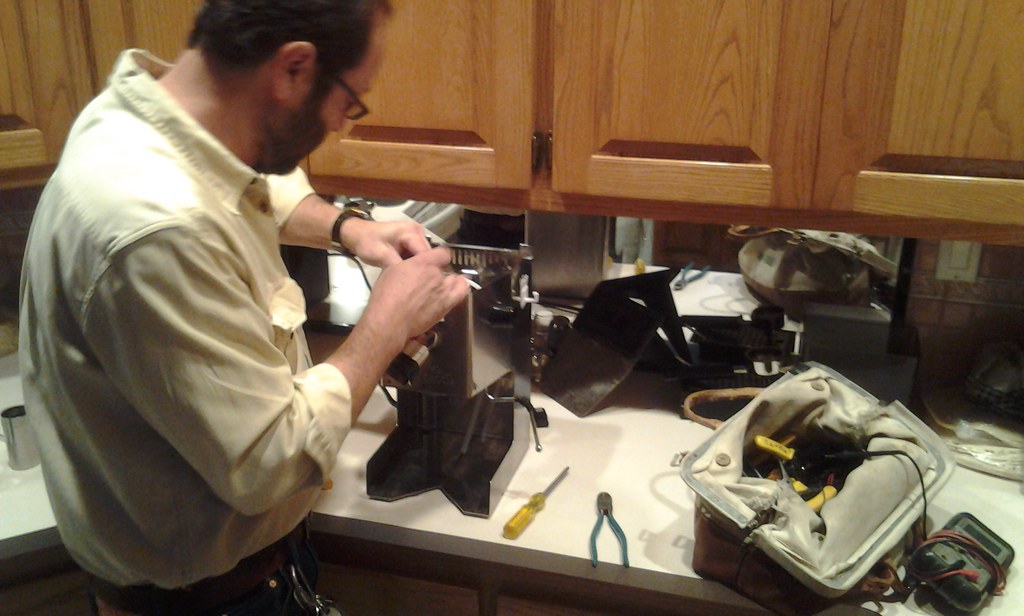
Unterstellen Sie nicht, dass eine Mod-Anleitung für einen Classic Pro von 2019 unverändert auf jedes Evo oder E24 übertragbar ist. Bestätigen Sie Spannung, Steckverbinder, Kessel-Hardware und die exakten Kit-Anleitungen. Die Gaggia Mod-Sicherheitsmatrix deckt die Stoppunkte vor interner Elektroarbeit ab.
Wo steht das E24 im Jahr 2026?
Für eine neue Maschine in Nordamerika ist das E24 jetzt die aktuelle Classic-Referenz. Gaggia Nordamerika listet einen massiven bleifreien Messingkessel, einen 58-mm-Edelstahl-Siebträger, eine Dampflanze im Kommerzstil und eine 9-Bar-OPV-Kalibrierung. Damit ist ein alter „Pro gegen Evo“-Vergleich vor allem für Gebrauchtmaschinen und ältere Lagerbestände nützlich.
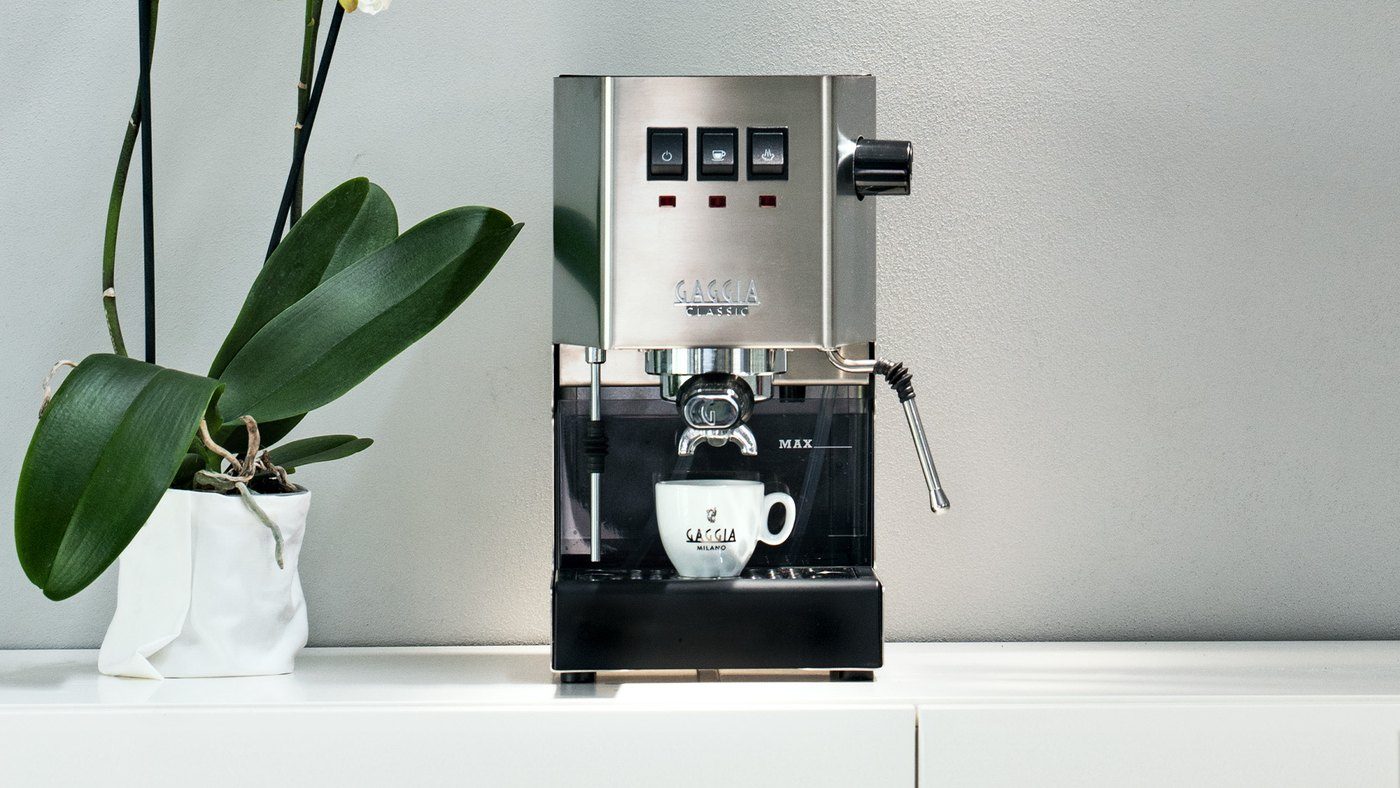
Das E24 macht nicht jede gebrauchte Pro oder Evo zu einem schlechten Kauf. Es verschiebt den Bezugspunkt: Vergleichen Sie Zustand und Preis einer Gebrauchtmaschine mit einem aktuellen Messingkessel-Modell mit aktueller Doku und Support. Für eine breitere Generationen-Übersicht nutzen Sie den Gaggia-Classic-Kaufratgeber.
FAQ
Ist das Classic Evo Pro nur ein Classic Pro mit 9 bar?
Nein. Der nordamerikanische Evo brachte außerdem einen Edelstahl-Siebträger, überarbeitete Gruppenabdeckung/Halterungshardware und eine veränderte Kesselgeschichte. Die grundsätzliche Einkessel-Classic-Architektur blieb vertraut.
Hat jeder Evo Pro denselben Kessel?
Unterstellen Sie das nicht. Das ursprüngliche Einführungsmaterial 2023 beschrieb eine Kalkschutzbeschichtung, während manche aktuelle Händler-Angebote ausdrücklich einen unbeschichteten Kessel nennen. Service-Ersatzteile kommen als weitere Variable hinzu. Prüfen Sie die exakte Einheit.
Ist das E24 dasselbe wie das Evo Pro?
Nein. Das E24 ist die aktuelle Classic-Pro-Generation mit Messingkessel im Sortiment von Gaggia Nordamerika und wird mit 9-Bar-OPV gelistet.
Quellen
- Gaggia Nordamerika — Classic Pro/Evo/E24-Anleitungen und Service-Unterlagen
- Gaggia Nordamerika — aktuelle Classic-Pro-E24-Spezifikationen
- Whole Latte Love — Classic-Evo-Pro-Einführung 2023 und nordamerikanische OPV-Anmerkung
- SaferProducts.gov — ein Schwarzflocken-Vorfallsbericht von 2023 zum Evo Pro samt Herstellerantwort
- Gaggia Nordamerika — aktuelle Kompatibilität des Messingkessel-Ersatzes
Bildnachweise
CC-Foto-Credits stehen unter wiederverwendeten Fotos. Das E24-Werkbankbild ist ein bestehender HomeBaristaMods-Artikel-Asset. Kein Bild wird als Beweis für ein nicht sichtbares internes Teil verwendet.
 English
  Deutsch