Decaf vs regular coffee, cup by cup.
Regular coffee is the direct choice when you want caffeine. Decaf keeps much of the coffee experience with far less caffeine, though it is not caffeine-free.
Taste depends on the coffee, roast, freshness and recipe as much as the decaf label. Compare equal servings before you compare numbers, then choose the cup that fits the hour and the way caffeine affects you.

In this guide
Should you choose decaf or regular coffee?
Choose by the caffeine effect you want, then judge the actual bag for taste and freshness.
There is no need to turn the choice into a permanent identity. Plenty of home baristas keep regular coffee for the morning, decaf for later cups, and half-caf when they want something between the two.
| Your situation | Practical starting point | What to check next |
|---|---|---|
| You want a noticeable caffeine effect | Regular coffee | Serving size, dose and how late you drink it |
| You want coffee later in the day | Decaf coffee | Residual caffeine and your own response |
| You enjoy several cups | Use regular and decaf at different times | Count every serving rather than assuming decaf is zero |
| You want a smaller step down | Half-caf | The blend ratio and the caffeine in each component |
| Taste is the main concern | Buy the better-described, fresher bag | Origin, process, roast date and brew guidance |
How much less caffeine does decaf have?
Decaf usually contains a small fraction of the caffeine in regular brewed coffee, but neither cup has one fixed number.
The FDA gives 2-15 mg for an 8-fluid-ounce decaf coffee. Its regular brewed non-specialty range is 113-247 mg for a 12-fluid-ounce serving. Those examples prove the size of the gap, but they use different cup sizes and should not be treated as a direct one-cup test.
Species, coffee dose, brew method and serving size move regular coffee. The original bean, removal process and final serving move decaf. For a closer treatment of residual caffeine, use the caffeine in decaf coffee guide.
| Coffee | FDA reference | Serving in that reference | How to use the number |
|---|---|---|---|
| Decaf coffee | 2-15 mg caffeine | 8 fluid ounces | A typical range, not a caffeine-free claim |
| Regular brewed non-specialty coffee | 113-247 mg caffeine | 12 fluid ounces | A broad range that changes with the coffee and brew |
Do not add several search-result numbers together or compare servings with different volumes. If caffeine matters closely, keep the same cup size and record how many cups you actually drink.
The FDA cites 400 mg per day as an amount not generally associated with negative effects for most adults. Individual sensitivity and medical circumstances vary, so a personal limit may be lower.
Does decaf coffee taste worse than regular coffee?
No. Decaf can taste different, but the word decaf does not tell you whether a coffee is fresh, well roasted or suited to your brew.
Decaffeination changes green coffee before roasting, so it can affect how the roaster handles the lot and how the finished cup presents aroma or body. That does not make every decaf flat. A carefully sourced, freshly roasted decaf can beat an old or poorly brewed regular coffee without any special pleading.
Check whether the roaster names the decaffeination method and original coffee.
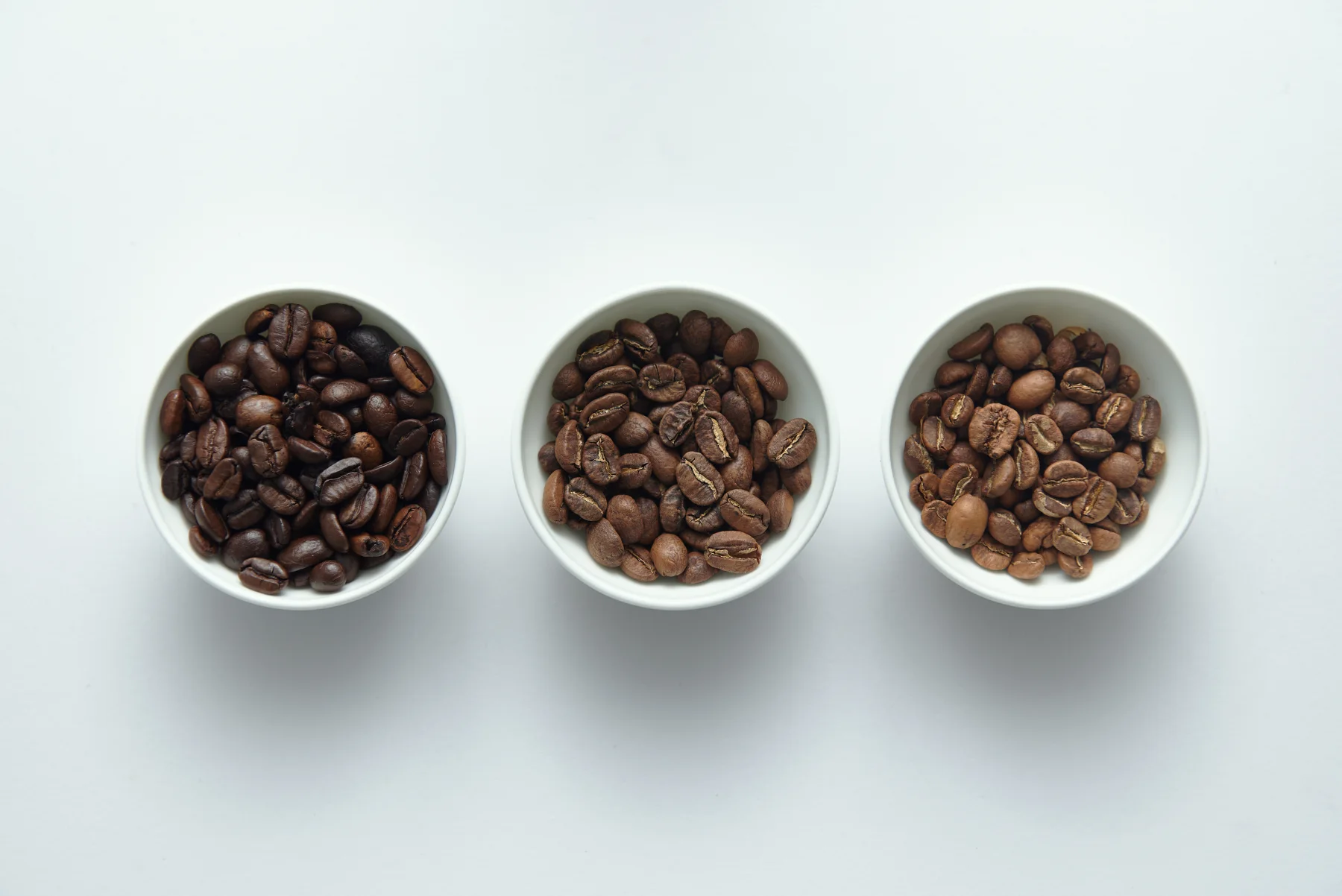
Compare like with like. A light regular coffee and dark decaf are mainly a roast comparison.
Use the roast date and storage condition rather than trusting the category name.
A sour, thin or dry cup may need a brewing correction before it needs a different label.
The broad decaf coffee guide explains the main methods and the details worth checking on a bag.
Do decaf and regular coffee need different equipment?
No. The same grinder, brewer and espresso machine can prepare both; the individual coffee decides the final settings.
Start each bag from a familiar recipe. Then watch flow and taste. If a decaf espresso runs too fast, move finer in measured steps. If a filter cup tastes sharp and thin, raise extraction with a finer grind or longer contact. If the finish becomes dry, reverse the last change.
A scale makes the next adjustment easier to interpret.
A small purge reduces carryover when you switch between regular and decaf in one grinder.
Grind first for flow, then use taste to decide whether the move helped.
Two notes are quicker than rebuilding each recipe every day.
For espresso-specific bean choice and shot adjustment, continue with the decaf espresso guide.


How can you compare decaf and regular coffee fairly?
Use matched coffees, equal recipes and coded cups, then compare sweetness, acidity, aroma, body and finish at the same temperature.
- Choose a close pair. Buy decaf and regular coffee from one roaster with similar origin, process and roast direction when possible.
- Match the recipe. Use the same water, coffee dose, brew ratio, brewer and serving volume.
- Dial each coffee. Allow a different grind setting if that is what each bag needs to reach a balanced cup.
- Hide the labels. Mark the cups A and B, then ask someone else to track which is which.
- Taste twice. Write notes while hot and again while warm. Reveal the labels after the second pass.
This method compares finished drinks, not category reputations. It also exposes when roast level or freshness caused more difference than decaffeination.
Where does half-caf fit?
Half-caf blends regular and decaf coffee, giving you a middle step when full regular feels excessive and decaf feels too large a change.
The name does not promise an exact caffeine number. A 50:50 blend by bean weight may not land at exactly half the caffeine of your usual cup because the two coffees can start with different caffeine levels and extract differently.
Keeps two clear recipes and makes serving counts easy to follow.
Uses one bag or a measured home blend when you want a smaller caffeine step.
Preserves the brewing routine while reducing late-day caffeine.
If the decaf component names Swiss Water, the Swiss Water process guide explains what that label does and does not tell you.
What makes a decaf-versus-regular tasting useful?
A meaningful comparison controls the coffee and brew variables before attributing a difference to decaffeination.
Matched coffees, same recipe, clear reveal
Prefer comparisons with closely matched coffees, visible bag details, the same brew recipe and a clear tasting method. A general health monologue does not replace a controlled cup comparison.
Sources
The caffeine ranges and general adult reference come from the FDA. The process percentage comes from the National Coffee Association.
Decaf and regular coffee questions
Is decaf coffee completely caffeine-free?
Decaf coffee is not completely caffeine-free. The FDA says decaf coffee typically contains 2-15 mg of caffeine in an 8-fluid-ounce cup. The number changes with the original coffee, decaffeination process, dose and serving size, so someone who reacts strongly to caffeine should not treat every decaf cup as zero.
Does decaf coffee always taste weaker than regular coffee?
Decaf coffee does not always taste weaker than regular coffee. Strength in the cup also depends on coffee dose, brew ratio, extraction and roast. Decaffeination can change green coffee, yet a fresh, well-roasted decaf brewed with a suitable recipe can have clear sweetness, body and aroma.
Can decaf and regular coffee use the same machine?
Decaf coffee and regular coffee can use the same grinder, brewer or espresso machine. Keep the equipment and recipe stable for the first test, then adjust the grind for each bag's flow and taste. Purging a small amount from a shared grinder also reduces carryover between the two coffees.
Is half-caf exactly half the caffeine of regular coffee?
Half-caf coffee is not guaranteed to contain exactly half the caffeine of regular coffee. A 50:50 blend combines two coffees that may have different starting caffeine levels and extraction behavior. Measuring the blend by weight improves repeatability, but only a laboratory test can give an exact caffeine result.
Is decaf coffee healthier than regular coffee?
Decaf coffee is not universally healthier than regular coffee. Decaf mainly offers much less caffeine, which may suit a person's timing or sensitivity. Regular coffee may fit someone who wants caffeine and tolerates it. Pregnancy, medication, sleep or medical concerns deserve guidance from a qualified healthcare professional.