
Washed coffee, without the flavor guarantee.
Washed coffee is pulped, cleared of mucilage and dried in parchment. The process can reveal origin clearly, but the word washed does not prescribe one roast or one taste.
Use the label to understand the route. Use the producer, roast date, tasting notes and first brew to decide whether the specific bag belongs in your routine.

What is washed coffee?
Washed coffee is coffee whose skin, pulp and mucilage are removed before the main drying stage.
The seed remains inside parchment while it dries. Producers may loosen mucilage through fermentation, remove it mechanically, or combine both approaches before washing the parchment clean.
The National Coffee Association describes a familiar sequence of pulping, sorting, fermentation, rinsing and drying. TechnoServe notes that equipment and regional language vary, so a detailed producer description is more useful than the word wet alone.
The processing methods guide compares washed coffee with natural and honey routes.

How is washed coffee processed?
A classic washed route moves from ripe cherry to pulped parchment, mucilage removal, washing and controlled drying.
Ripe cherry selection
Harvest and sorting set the ceiling. Unripe, overripe or damaged cherries do not become consistent simply because the later process uses water.
Pulping
A pulper removes the outer skin and most of the fruit. Sticky mucilage remains attached around the parchment that protects the seed.
Mucilage removal
Fermentation or mechanical action loosens the remaining mucilage. The National Coffee Association gives 12 to 48 hours as a general fermentation range, while real timing changes with conditions.
Washing and sorting
Water removes loosened mucilage and can help separate parchment by density. Clean water, suitable equipment and careful lot separation matter more than a romantic process description.
Drying
The washed parchment dries toward a stable moisture level before storage and export preparation. TechnoServe uses 10 to 12% moisture as a practical target range for green coffee stability.
What does washed coffee taste like?
Washed coffee is often described as clean or clear, but origin, variety and roast decide where that clarity points.
What the label can suggest
Removing fruit before drying can give the producer a more direct view of the seed's existing character.
You may find floral, citrus, stone-fruit, cocoa or savory notes across different washed coffees. The common thread is the route, not one flavor word.
What the label cannot promise
Washed does not mean light roast, high acidity, premium grade or a defect-free cup.
A dark roast can cover delicate origin detail. Weak sorting or drying can reduce clarity. Brewing can still make an excellent lot taste thin, hollow or bitter.


How do you choose a washed coffee?
Choose the producer and cup description first, then use washed as supporting process information.
Named producer
A farm, cooperative or washing station gives the process a real place and operator instead of leaving washed as a generic marketing word.
Origin and variety
These details help explain what the washed route may reveal. The coffee bean types guide keeps species separate from process.
Roast and date
Roast level shapes solubility and flavor; the roast date helps you plan use and storage. Neither fact can be replaced by the process label.
Brew intention
A published filter or espresso starting recipe is more useful than assuming all washed coffees need hotter water or a finer grind.
How should you brew washed coffee?
Begin with the roaster's recipe or a familiar baseline, then make one adjustment from the result in the cup.
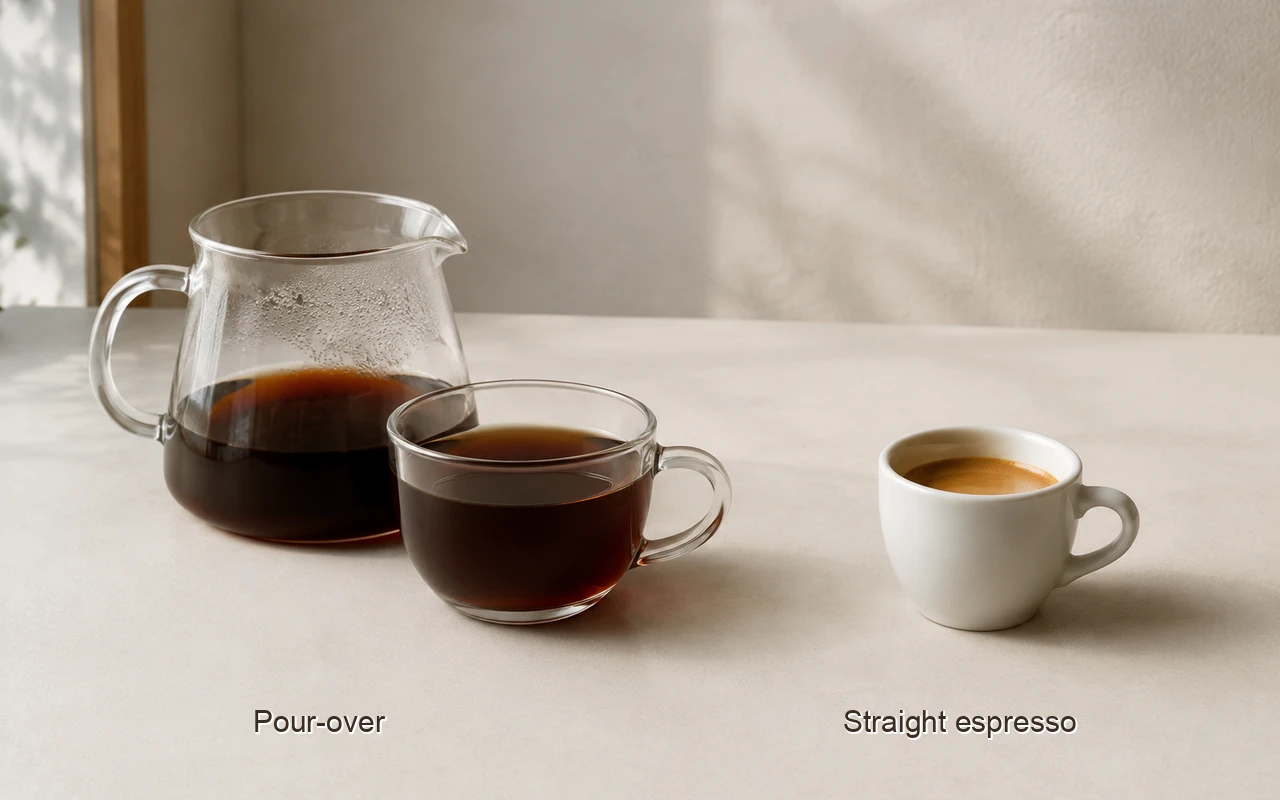
Washed coffees are often chosen for pour-over when a drinker wants separation and clarity, but that preference is not a brewing law. Washed coffees can also make syrupy espresso, balanced immersion brews and milk drinks.
- Keep dose, water and technique stable for the first comparison.
- Move finer or extend contact if the cup is sharp and thin.
- Reduce extraction if the finish becomes dry or hollow.
- Use the roast level as a practical solubility clue.
Brew the coffee in front of you. Washed is context, not a grinder setting.
What should a washed-process field walkthrough show?
Use field footage or producer documentation to recognize the sequence, not as proof that every washed coffee tastes the same.
Pulping, mucilage removal, washing and drying
Look for cherry selection, pulping, fermentation or other mucilage-removal steps, washing and drying, then compare those actions with the process description on the bag.
Sources and further reading
These references support the process sequence, fermentation range and moisture guidance used here.
Washed coffee questions
Is washed coffee the same as wet process coffee?
Washed coffee and wet process coffee usually describe the same broad route: the cherry is pulped, mucilage is removed, the parchment is washed and then dried. Regional language and equipment vary, so a detailed producer description is more useful than assuming every use of wet process follows one identical sequence.
Does washed coffee contain less caffeine?
Washed coffee does not reliably contain less caffeine because washed describes post-harvest fruit removal. Coffee species, dose, beverage size and extraction are more useful caffeine clues. Compare Arabica and Robusta information on the bag, then compare equal brewed servings instead of using washed or natural as a caffeine category.
Is washed coffee always more acidic?
Washed coffee is not always more acidic. The process can present origin character clearly, but variety, growing conditions, roast development and brewing determine how acidity feels in the cup. A washed dark roast may taste less bright than a light natural coffee, so compare specific bags rather than process labels alone.
Is washed coffee good for espresso?
Washed coffee can work very well for espresso. A washed lot may produce floral clarity, chocolate balance or a syrupy shot depending on origin and roast. Start with the roaster's espresso recipe when available, then adjust grind and yield from taste instead of applying one washed-coffee setting to every bag.
How should washed coffee beans be stored?
Washed coffee beans should be kept sealed away from heat, light, moisture and repeated air exposure. Processing method does not stop roasted coffee from aging. Keep the original bag closed or use a suitable airtight container, and follow the roast date rather than expecting washed coffee to stay fresh longer.