

Start with a 1:15 French press coffee ratio by weight: 1 gram of coffee for every 15 grams of water. For a 500 g batch, that means about 33 g of coffee. It is a starting point, not a rule you have to keep. Brew one cup, taste it, and change the dose only if the strength needs changing.
The National Coffee Association gives a broad French press range of 1:10 to 1:16. Staying near 1:15 makes the first brew easy to measure and leaves room to move stronger or lighter. Keep the grind and steep time steady while you find the amount of coffee you like.
What does a 1:15 French press ratio mean?
A 1:15 ratio compares the dry coffee dose with the water you pour in, both measured by weight. It does not describe the volume of coffee left in the cup; some water stays in the grounds and press.

| Water to add | Coffee at 1:15 | Practical starting dose |
|---|---|---|
| 350 g | 23.3 g | 23 g |
| 500 g | 33.3 g | 33 g |
| 1,000 g | 66.7 g | 67 g |
Use a scale if you have one. The numbers refer to water added to the press, so your served coffee will weigh less than the water you started with. A 500 ml water measure is close to 500 g for a quick estimate, but weighing the water is more repeatable.
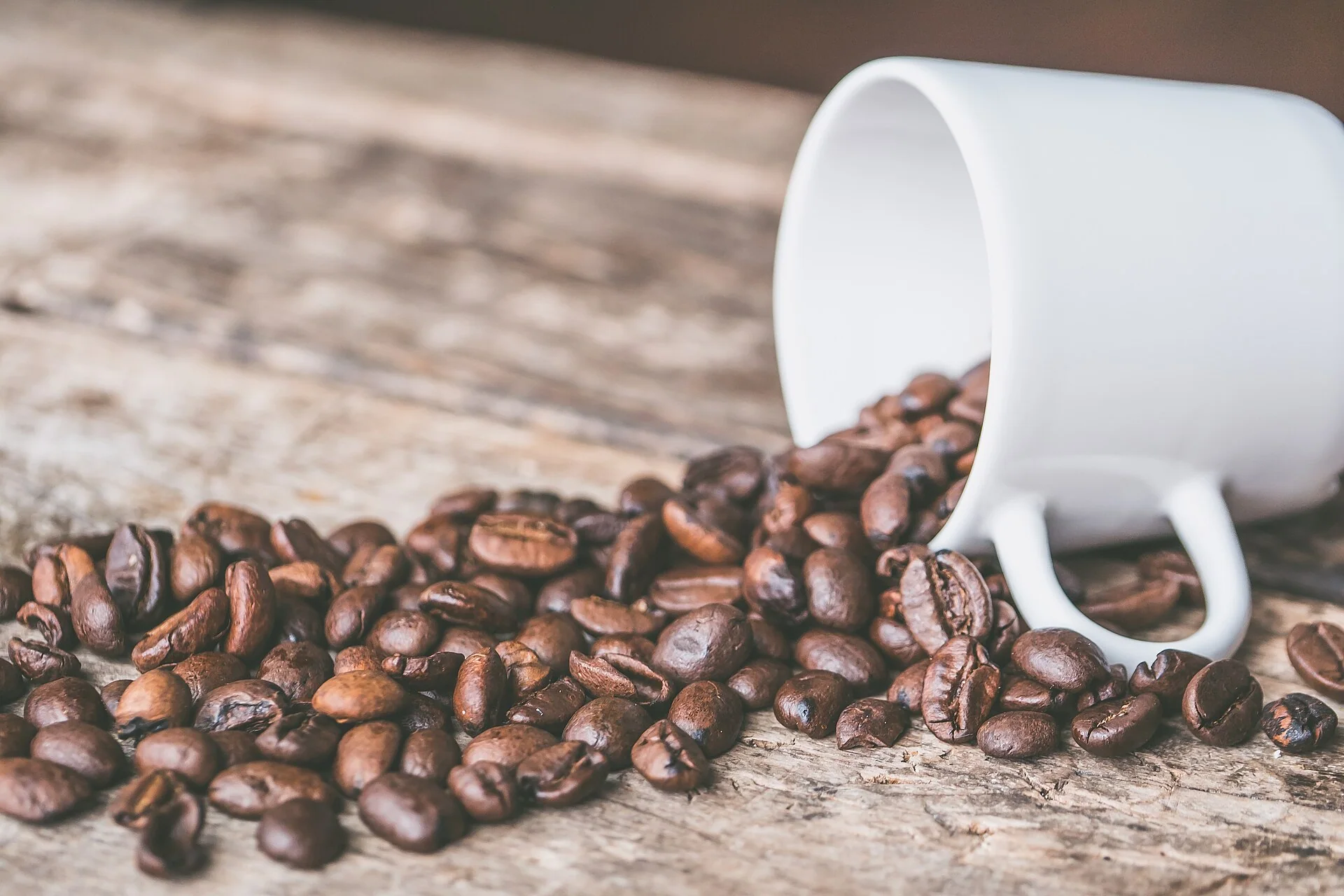
If you want a stronger cup with the same 500 g of water, try 36 g of coffee next time, about 1:14. For a lighter cup, try 31 g, about 1:16. Change the dose in small steps so you can tell what made the difference. Bean choice matters too; reading the roast and processing details on a coffee bag can help you keep track of what changed between bags.
A four-minute baseline brew
Use medium-coarse to coarse coffee, water around 93°C, and about four minutes of contact time. The National Coffee Association suggests gently breaking the crust after roughly one minute, then allowing about three more minutes before pressing. Pour the coffee out soon after pressing so it does not keep steeping in the press.
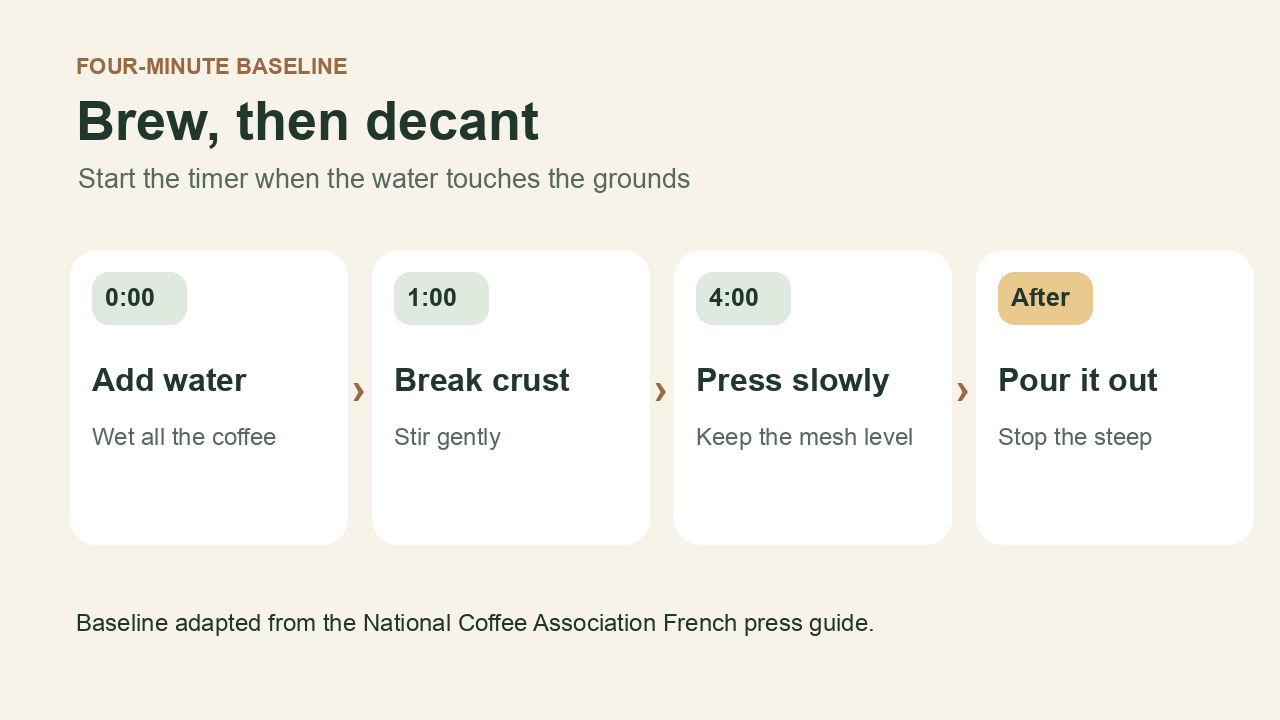
- Weigh the coffee and water. For a first 500 g brew, use 33 g of coffee.
- Grind the beans coarse enough that the grounds look roughly like coarse salt. Add them to the empty press.
- Pour in all the hot water and start a timer. Make sure all the grounds get wet.
- At about one minute, gently stir through the floating crust. Replace the lid without pressing down.
- At about four minutes, press slowly and pour the coffee into cups or a separate carafe.
The timer is a starting guide. A different bean, grinder, or press may taste better with a slightly different contact time. Keep the 1:15 dose fixed while you judge this first brew, then adjust one thing at a time.
Hoffmann's video demonstrates a different French press routine. Watch the handling of the crust and the pour, then choose one method to repeat; mixing the timing from two routines makes the next cup hard to compare.
Grind matters as much as the ratio
French press keeps water and grounds together for minutes, so the grind changes how that time tastes. Start medium-coarse to coarse. If the cup is muddy or harsh, try a coarser and more even grind before rewriting the ratio. If it is watery but the dose seems right, a slightly finer grind can improve extraction.
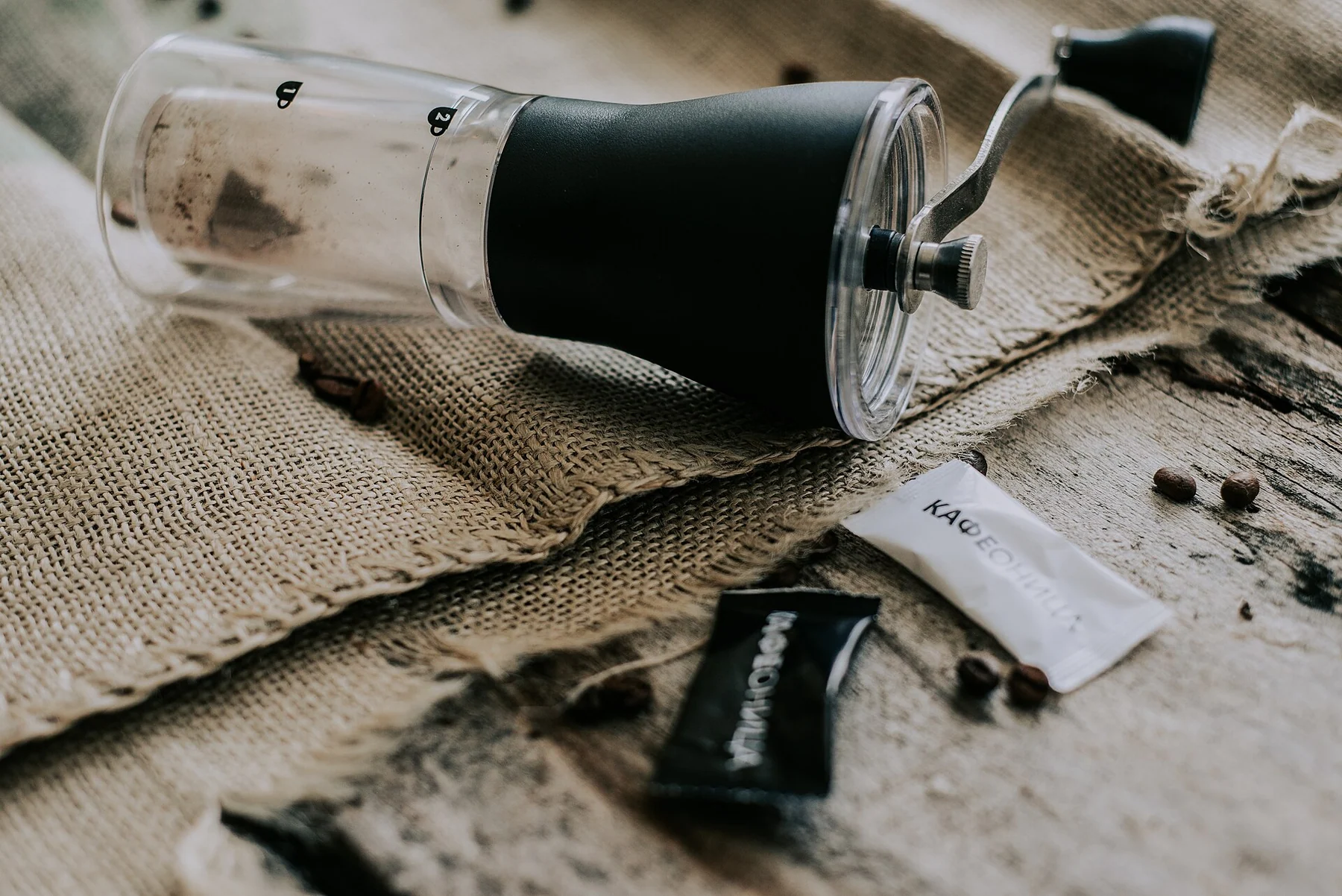
Judge your own grounds and cup rather than copying a grinder setting. A pile of very large pieces mixed with powder will brew unevenly even when the scale reads the right dose. If you are comparing beans, keep your grinder setting and water the same for the first brew. Our coffee beans guide is a useful place to start if you are choosing a new bag.
What should you change when the cup tastes wrong?
Taste the finished coffee before you change the recipe. Strength and extraction are different: a cup can be strong but harsh, or light but pleasantly sweet. Adjust the dose for strength; adjust the grind or contact time when the flavor itself tastes under- or over-extracted.
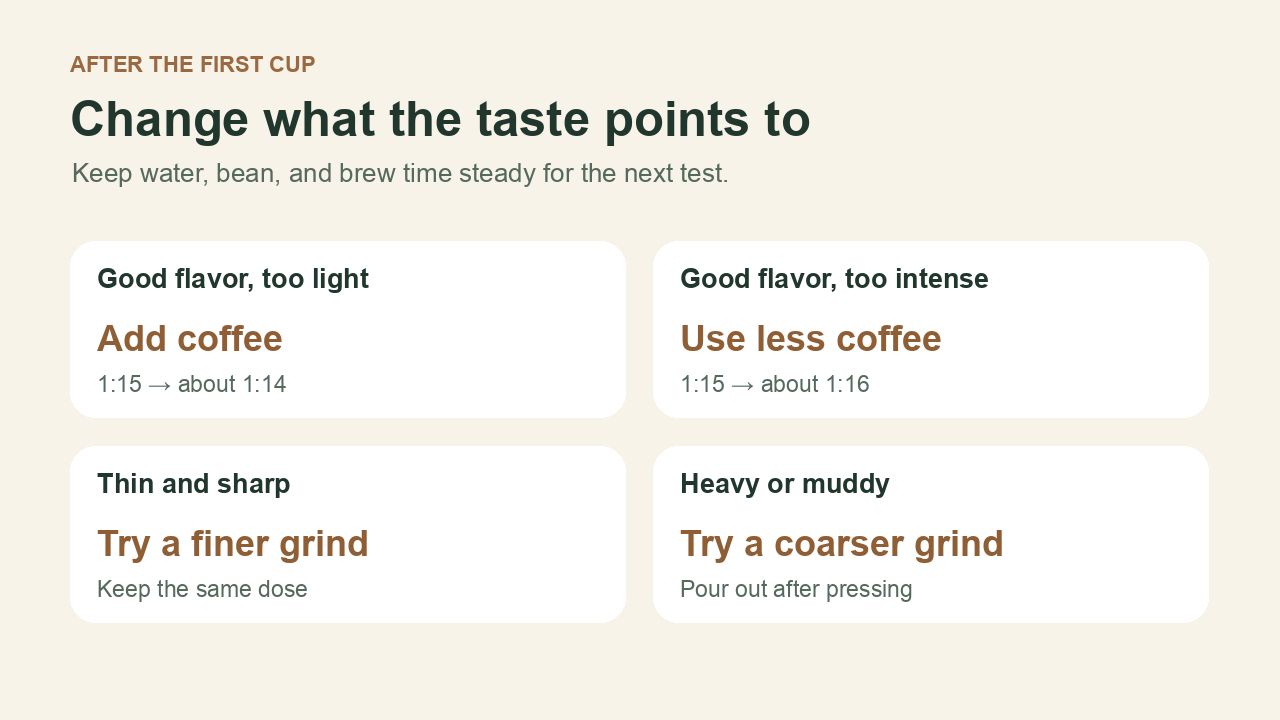
| What you taste | First change to try | Keep steady for that test |
|---|---|---|
| Pleasant flavor, but too light | More coffee: 1:15 to about 1:14 | Grind and brew time |
| Pleasant flavor, but too intense | Less coffee: 1:15 to about 1:16 | Grind and brew time |
| Thin and sharp despite a full dose | Slightly finer grind or a little more contact time | Coffee dose and water |
| Heavy, harsh, or muddy | Slightly coarser grind; pour out promptly after pressing | Coffee dose and water |
Make a second cup with only that change. If it improves, keep going in small steps. If it gets worse, return to the previous setting. Water quality can alter taste too; our brewing and water guide covers that separate variable.

Keep the better cup; change just one thing next time.
References
- National Coffee Association, French press coffee — ratio range, temperature, coarse grind, and four-minute baseline.
- James Hoffmann, The Ultimate French Press Technique — a distinct French press method shown in the embedded video.
- National Coffee Association, Brewing — bean choice and brewing method both affect the cup.
Photo credits: French press by Sodanie Chea.jpg), CC BY 2.0, cropped and resized; hand grinder by Shixart1985, CC BY 2.0, resized. The beans and white mug photo is by Jessica Lewis (CC0); the blue mug photo is by Jon Sullivan (public domain).