
How to Store Coffee Beans Without Overcomplicating It
Start with the bag you already have. Seal the coffee well, keep it away from heat, light and moisture, and reserve the freezer for portions you will not keep opening. A new canister is optional, not the first requirement.
Daily-use coffee that is easy to reach and reseal.
A proper one-way-valve bag can stay in service. Close it carefully after each dose and keep it in a cool, dark cupboard. If the bag does not reseal, use an airtight container instead.
Dividing coffee before it becomes an everyday freezer bag.
Seal the later portion separately, label it and freeze it once. Repeatedly opening one cold bag exposes the whole supply to warmer, humid air whenever coffee is removed.
What makes coffee lose freshness in storage?
Storage cannot stop roasted coffee from changing. It can keep four avoidable exposures from speeding the process or adding unwanted moisture and odors.
Air
Close the package after every dose. A large container with a loose lid solves very little, even if it looks purpose-built.
Moisture
Use a dry bag or container. Be cautious when cold coffee meets warm, humid air because condensation can form.
Heat
A cupboard beside the oven or over a dishwasher can warm repeatedly. A quieter cabinet is the better home.
Light
Clear glass is workable inside a dark cupboard. It is a poor display jar on a bright counter or sunny shelf.

The National Coffee Association storage guide names air, moisture, heat and light as the main exposures to manage. It also recommends an airtight container and a cool, dark location.
Is the original coffee bag good enough?
Often, yes. A resealable bag with a one-way valve already performs the daily-use job. Replace it only when the closure is weak, damaged or awkward enough that the coffee is left open.

| What you have | Practical action | Check before using it | Do not assume |
|---|---|---|---|
| Resealable valve bag | Keep it for daily brewing | The zipper closes fully and the bag stays away from heat and light | A separate canister is automatically better |
| Bag without a reliable seal | Move coffee to an airtight container | The container is clean, dry and not much larger than the coffee | A decorative lid is airtight |
| Clear glass jar | Use it inside a dark cupboard | The lid seals and the jar is not left in sunlight | Glass alone protects coffee from light |
| Large unopened supply | Keep the daily amount separate from later portions | Each later portion is sealed and labeled before freezing | One repeatedly opened freezer bag is the easiest method |
If the current bag reseals cleanly and fits in a cool, dark cupboard, use it. A container earns its place when it improves the seal or makes the daily routine more reliable.

Where should coffee beans be kept?
Choose a cabinet that stays relatively cool, dry and dark. Distance from an oven, dishwasher, kettle steam and afternoon sun matters more than whether the shelf looks like a dedicated coffee station.
Strong surrounding odors are another reason to keep the seal closed. Coffee does not need to share air with spices, cleaning products or an open refrigerator.
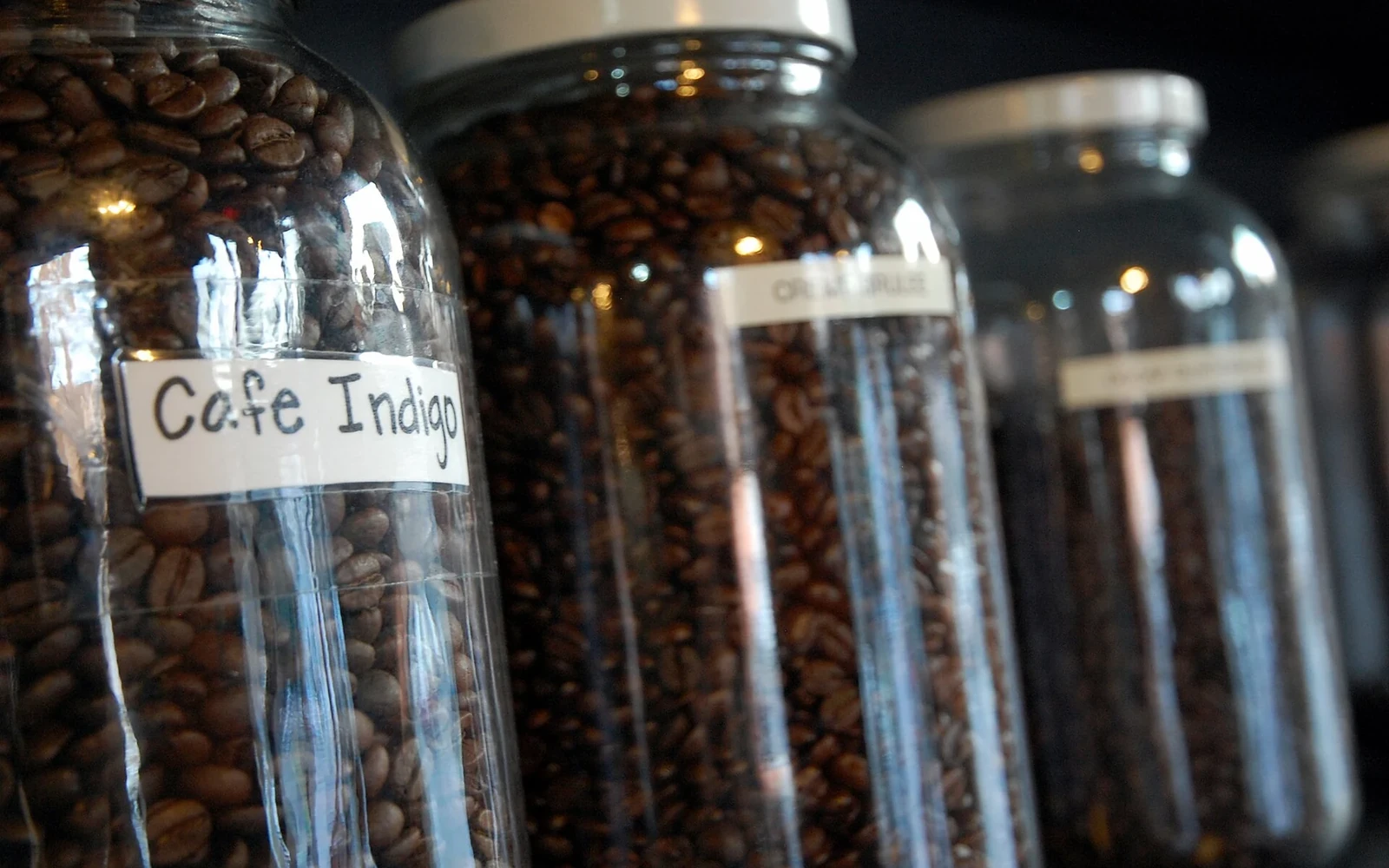
Interior cupboard
Dark, stable and away from a regular heat source.
Coffee counter
Fine only when the package is opaque, sealed and outside direct sun.
Beside the oven
Repeated heat cycles work against a stable storage environment.
Above the dishwasher
Heat and moisture can rise into the cabinet during normal use.
Should coffee beans go in the fridge or freezer?
The refrigerator is not the default home for a bag being opened every day. The freezer is more useful for sealed coffee meant for later, provided it is divided before storage and not repeatedly exposed to warm, humid air.
Cupboard
Keep the daily bag sealed at room temperature in a cool, dark location.
- Simple access
- No repeated temperature swing
- Works with the original valve bag
Refrigerator
Moisture, surrounding odors and regular opening complicate an everyday refrigerator routine.
- Needs a truly airtight package
- Do not leave coffee exposed
- Consider the household's humidity and use pattern
Freezer
Use separate sealed portions for coffee that will not be brewed soon.
- Portion before freezing
- Label the package
- Avoid daily opening and refreezing

Divide the later coffee first. That keeps the rest sealed when one portion is brought back into the daily routine.

A storage routine for the bag you have now
Do this once when the bag arrives. Daily storage should then take only a clean scoop, a closed seal and a return to the same cupboard.
Find the roast date, closure and one-way valve. Do not discard a good bag before checking what it already does.
Keep the portion being brewed soon in the easiest reliable package.
Reseal the bag or container after every dose. Do not leave the lid resting loosely on top.
Stay away from sun, steam and appliances that warm the cabinet.
Seal and label coffee intended for the freezer before it becomes part of the everyday bag.

What storage mistakes matter most?
Most storage problems are ordinary. A sunny jar, a weak seal or an everyday freezer bag matters more than a complicated debate about premium canisters.
Clear jar in direct light
Move the jar into a cupboard or use an opaque package.
Loose lid after every brew
A storage method only works when the package is actually closed.
Warm cabinet beside an appliance
Choose a calmer location instead of accepting repeated heat cycles.
One large bag opened in the freezer
Separate later portions so the whole supply is not exposed each time.
Damp or scented container
Clean, dry and air the container before it receives a new coffee.
Grinding the full bag in advance
When a grinder is available, grind the amount needed near brew time.
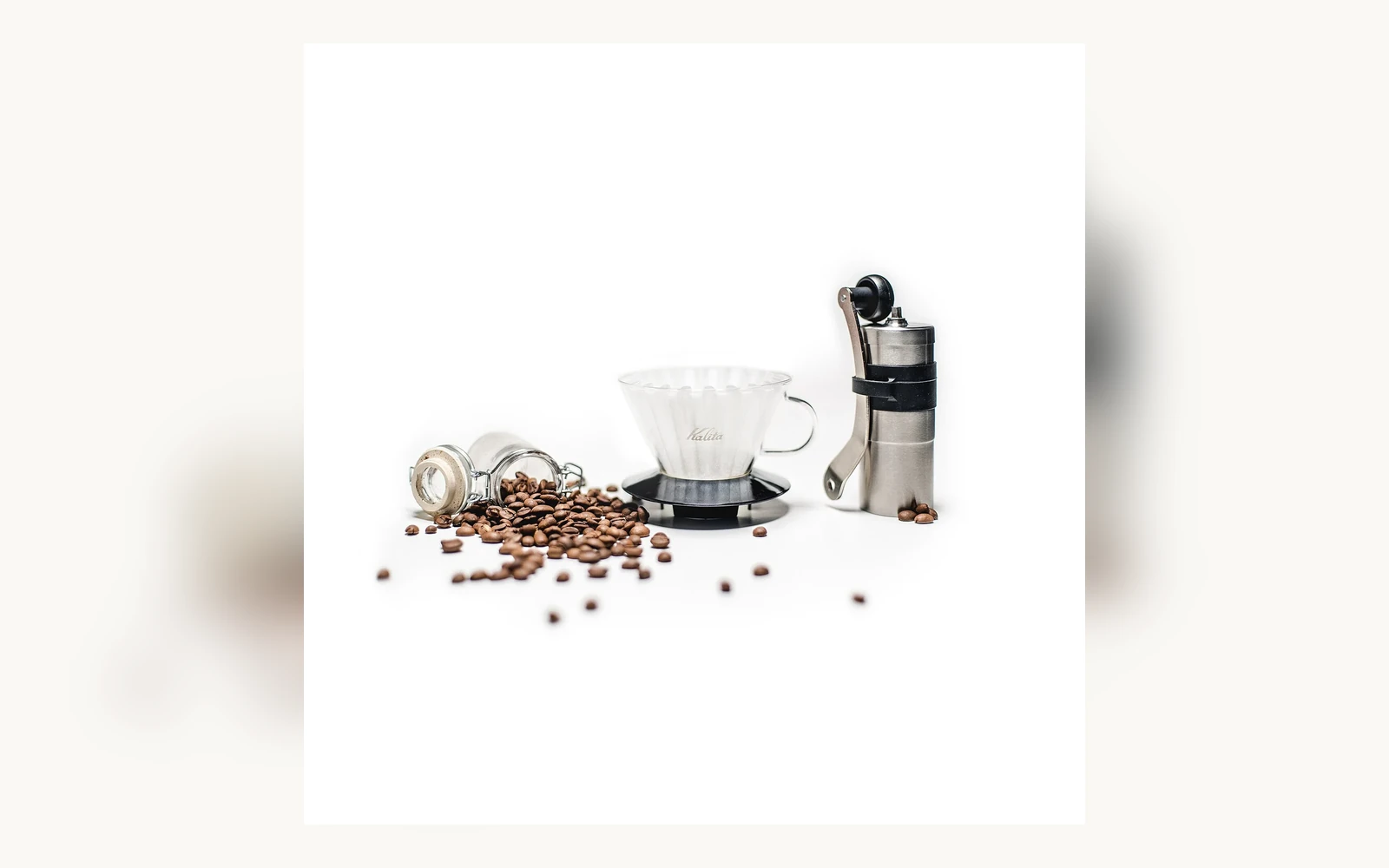
Storage helps, but it does not set one freshness date.
Roast, packaging, opening, storage and personal taste all affect how a coffee changes. Good storage slows avoidable exposure. It does not turn one rule into a deadline for every bag.
Where should the bag go, and how should it be sealed?
How old is the coffee, what changed, and is moisture or mold present?
Flat aroma and stale flavor are not the same question as visible moisture damage.
The 15-15-15 rule is not a universal result for every roast and package.
Two useful sources, read with their limits.
Four storage questions that change the daily routine
What is the best way to store coffee beans?
Coffee beans are best kept in a well-sealed bag or airtight, opaque container in a cool, dark and dry cupboard. Keep coffee beans away from an oven, dishwasher, steam and direct sunlight. Grind only the amount needed for brewing when a grinder is available.
Should coffee beans stay in the original bag or an airtight container?
Coffee beans can stay in a resealable one-way-valve bag when the closure works and the bag is stored away from heat and light. Move coffee beans to a clean, dry, airtight container when the original package does not reseal reliably or is awkward to close after each dose.
Should coffee beans be stored in the fridge or freezer?
Coffee beans used every day are usually simpler to keep sealed in a cool cupboard. Coffee beans held for later can be portioned into truly airtight packages and frozen. Avoid repeatedly opening one cold bag, because warm, humid air can introduce condensation and surrounding odors can enter a weak package.
Can coffee beans be stored in a glass jar?
Coffee beans can be stored in a clean, dry glass jar when the lid seals well and the jar stays inside a dark cupboard. Clear glass does not block light, so coffee beans should not be left in direct sun or displayed on a bright counter for daily storage.