For a Gaggia Classic Pro, start with drinkable water of moderate hardness rather than chasing one universal coffee-water recipe. If your local water is hard, soften it or use a properly remineralized water source. If you use RO or distilled water, do not assume “zero scale” automatically means “machine safe.”
What water should you use in a Gaggia Classic Pro?
Use potable water with moderate mineral content. Gaggia’s current Classic UP guidance recommends water with a moderate hardness level suitable for drinking and domestic use, and says a water-softening system can be used when necessary. That is a better starting principle than copying a filter-coffee competition recipe into an espresso machine.

If your water report already describes the supply as hard or very hard, treat that as a maintenance warning. If it is extremely soft, RO-based or distilled, do not assume it is automatically ideal for metal boilers and valves.
What water numbers are worth checking?
For a home owner, start with hardness and alkalinity rather than a TDS number by itself. General hardness reflects calcium and magnesium load; alkalinity describes buffering. TDS can be useful, but it cannot tell you which ions make up that total.
| Check | What it tells you | What it does not tell you |
|---|---|---|
| General hardness (GH) | Approximate calcium/magnesium hardness load | How much buffering the water has |
| Alkalinity / KH | Buffering capacity and part of scale/corrosion behavior | Total mineral content |
| pH | Acid/base condition at the time of testing | Scale risk by itself |
| TDS | Broad dissolved-solids estimate | Which minerals are present or whether the mix is machine-safe |
Advanced water-treatment tools sometimes use Langelier Saturation Index calculations, which combine multiple measurements and temperature. That can be useful for a plumbed commercial setup, but most home Classic owners do not need to engineer a custom water recipe before they can reduce scale risk.
Why are both hard water and ultra-soft water problems?
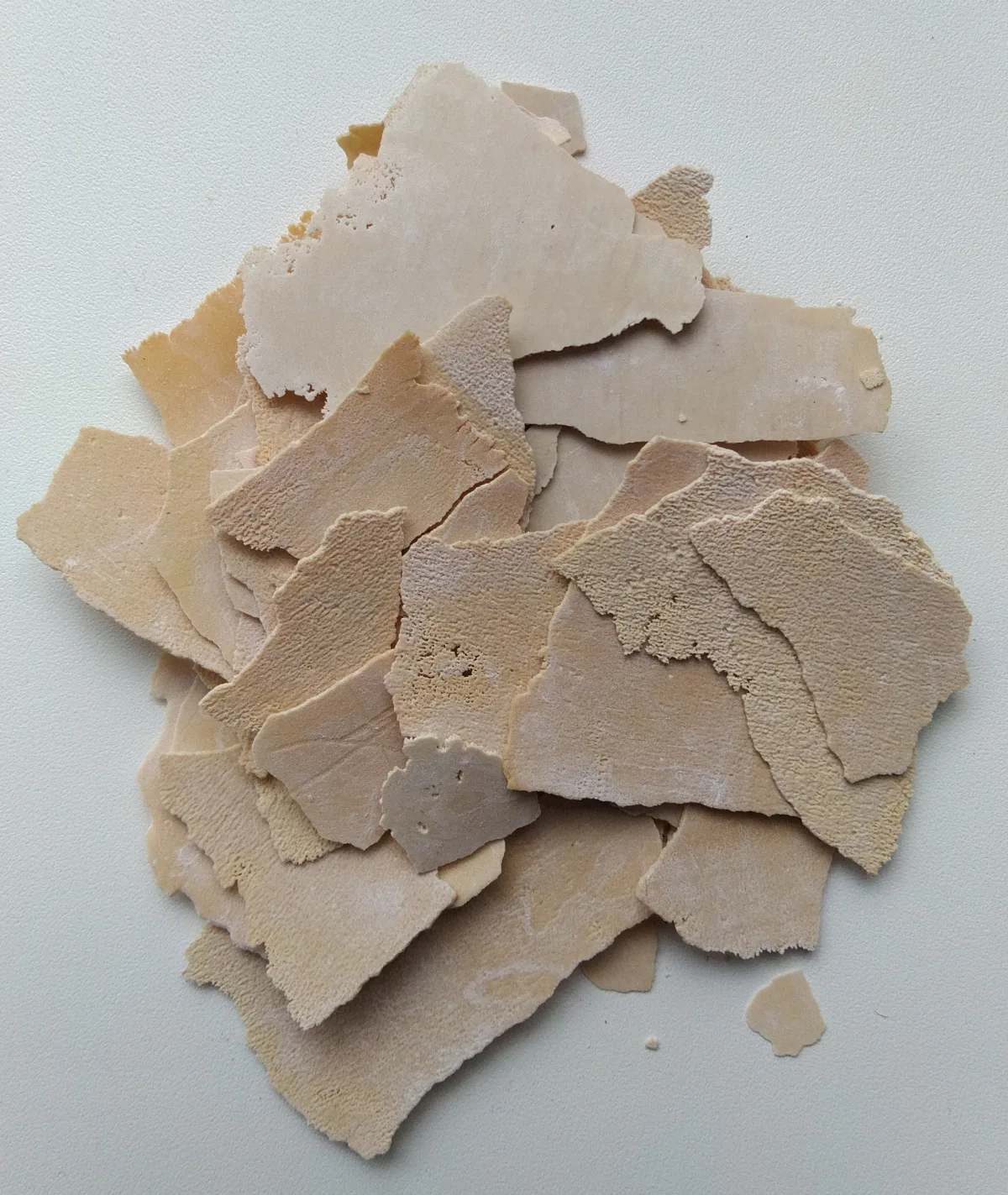
Hard water raises scale risk. Calcium carbonate deposits can narrow boiler, valve and solenoid passages and can break loose during maintenance. Whole Latte Love’s Classic Pro support material specifically identifies scale buildup as a common cause of solenoid blockage.
The opposite extreme is not automatically safe. Barista Hustle warns that some distilled-water recipes without calcium can be corrosive and specifically does not recommend magnesium-only DIY water recipes for espresso machines. The SCA has also noted that water recommendations built for flavor can conflict with the technical need to control scale inside espresso equipment.
That is why “use distilled water so nothing scales” is not a complete maintenance strategy.
Which water options are practical at home?
Choose the simplest source that keeps mineral load moderate and repeatable. The right choice depends on your local water and whether you want to maintain a filter or softener.
| Water source | When it can work | What to verify |
|---|---|---|
| Tap water | Local water is already moderate in hardness | Hardness report or test strip; chlorine/taste treatment if needed |
| Softened / filtered tap | Tap water is too hard | The device actually reduces hardness; many carbon filters mainly change taste/odor |
| Bottled water | You can get a consistent label and mineral analysis | Calcium, magnesium, bicarbonate and overall mineral level |
| RO plus remineralization | You want a controlled source | Use a system or recipe designed for espresso-machine service, not plain RO by default |
| Distilled / DI water | Useful as a controlled base for validated remineralization | Do not run it as an unvalidated zero-mineral default |
If you use a household pitcher, check what it actually removes. “Filtered” does not automatically mean “softened.”
How should water choice change your maintenance?
Better water reduces scale load; it does not erase maintenance. Use the manual for your exact Classic generation and region. Current Gaggia manual resources separate older Classic machines from the Pro/Evo/E24 family, so do not copy one descaling interval or chemical procedure across every machine.
- Record when you change water source or treatment.
- If scale appears quickly, fix the water source instead of only shortening the descaling interval.
- If group or steam flow drops, diagnose the path rather than assuming every restriction is scale.
- Keep coffee-oil cleaning separate from mineral descaling.
For the model-matched cleaning sequence, use the Gaggia Classic descaling guide. If water flow is already missing, use the no-water diagnosis before adding more chemistry.
FAQ
Can I use distilled water in a Gaggia Classic Pro?
Do not treat plain distilled water as a default machine-safe choice. If you start with distilled or RO water, use a validated remineralization approach intended for espresso equipment rather than an untested zero-mineral or magnesium-only recipe.
Does a Brita-style pitcher prevent scale?
It depends on the cartridge and your starting water. Many household carbon filters mainly improve taste and odor. Check whether your specific filter actually reduces hardness.
Is TDS enough to choose espresso-machine water?
No. TDS is a broad total and does not identify calcium, magnesium or alkalinity. Two waters with similar TDS can behave differently in an espresso machine.
Does the E24 brass boiler mean water no longer matters?
No. Brass changes the boiler material, not the chemistry of calcium-carbonate scale. Use appropriate water and follow the current maintenance guidance.
References
- Gaggia — current Classic UP FAQ on moderate-hardness water and softening
- Gaggia North America — Classic Pro/Evo/E24 manuals and service documents
- Whole Latte Love — scale buildup and Classic Pro/Evo solenoid blockage
- Barista Hustle — LSI, hardness/alkalinity inputs and espresso-machine water cautions
- Specialty Coffee Association — flavor water targets versus espresso-machine scaling constraints
Image Credits
CC photo credits are shown under reused images. The Gaggia machine images are existing HomeBaristaMods article assets. No water image is presented as a laboratory test of the reader’s machine.