Single-origin coffee, with the place kept visible.
Single-origin coffee comes from one stated geographic source. That source may be a country, a region, a cooperative, a farm or one carefully separated lot.
The phrase tells you where the coffee was grouped. It does not guarantee a flavor, a quality score or a better cup. The useful details begin after the words single origin.

What does single-origin coffee mean?
Single-origin coffee is sold as coming from one identified place rather than as a recipe combining coffees from different origins.
The National Coffee Association describes the source as one farm, region or country. That range matters. A country-level coffee can include many producers, while a named lot may cover one small harvest from one producer.
Single origin is therefore a sourcing description, not a universal grade. Read the location, producer, harvest, processing method, variety and roast together.

How narrow can one origin be?
The source can be broad or narrow. The label should tell you which level you are buying.
Country
A country-level single origin may combine coffees from several regions or producers within that country. It gives useful geographic context, but not farm-level traceability.
Region
A region narrows climate, altitude and local production context. Large regions still contain different farms, varieties and processing choices.
Producer or estate
A named farm, estate, cooperative or washing station gives a more specific source. It may still combine several plots, varieties or delivery days.
Lot
A lot separates a particular harvest, plot, variety, processing batch or production decision. A smaller lot is more specific, not automatically better.
What should you read after the origin name?
The country printed largest on the bag is the starting point. Read the remaining details to understand the coffee you will actually brew.
Farm, cooperative, estate or washing station names make the source more specific.
The plant material can change cup character. Start with the coffee bean types guide if species and variety are being mixed together.
Washed, natural and honey describe how fruit was removed and the seed dried before roasting.
A precise origin cannot recover aroma already lost through poor storage or excessive age.
Roaster guidance for filter, espresso or both is more useful than assuming one origin belongs to one brewer.
Does origin determine flavor?
Origin helps set context, but it cannot predict a coffee by itself.
The NCA describes place, soil, microclimate, sunlight and altitude as part of terroir. The final cup also carries the plant variety, fruit ripeness, processing, drying, storage, roast and brewing.
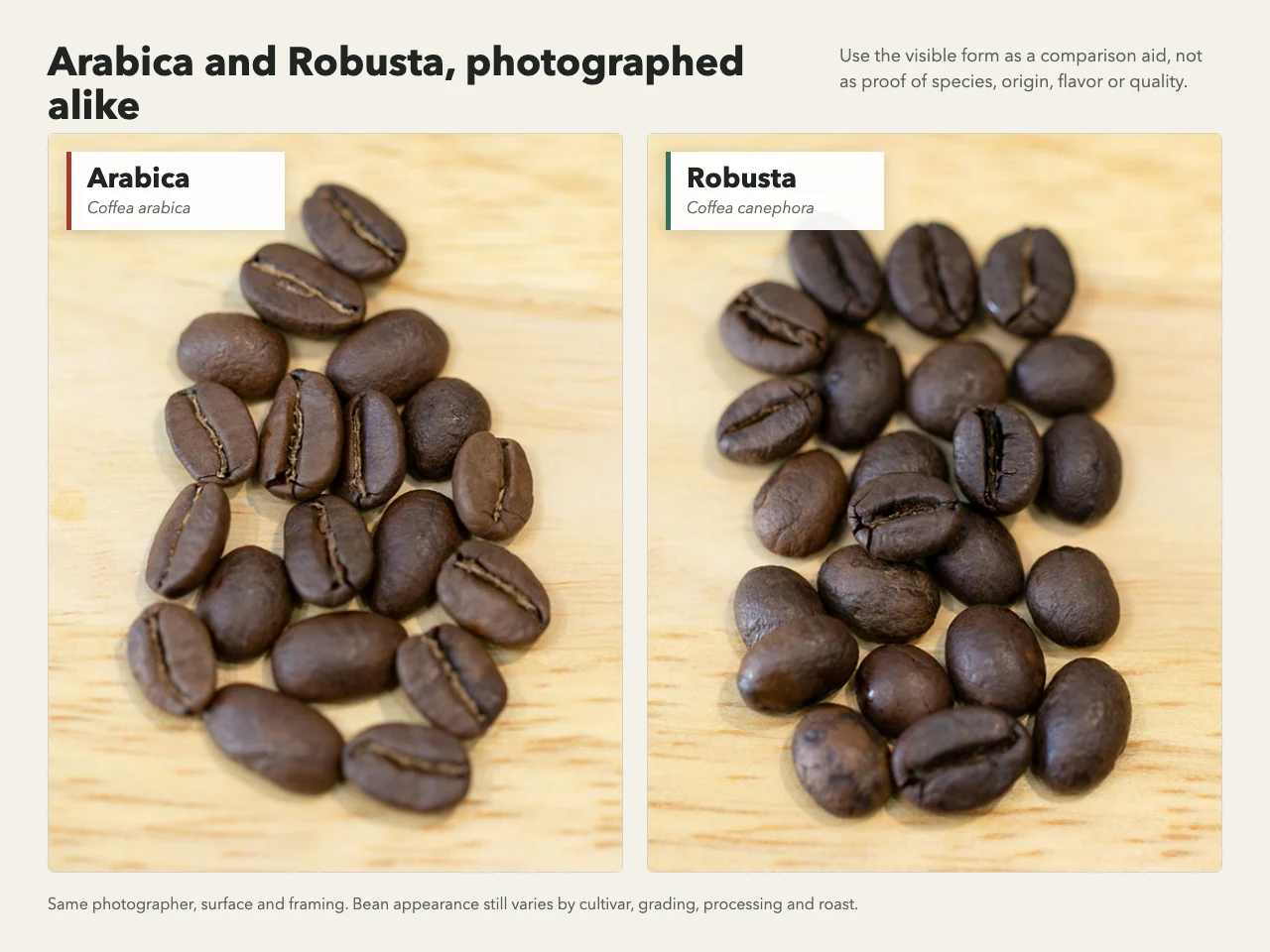
Arabica and Robusta differ before region is considered.
Whole-cherry drying and washed processing can present the same origin differently.
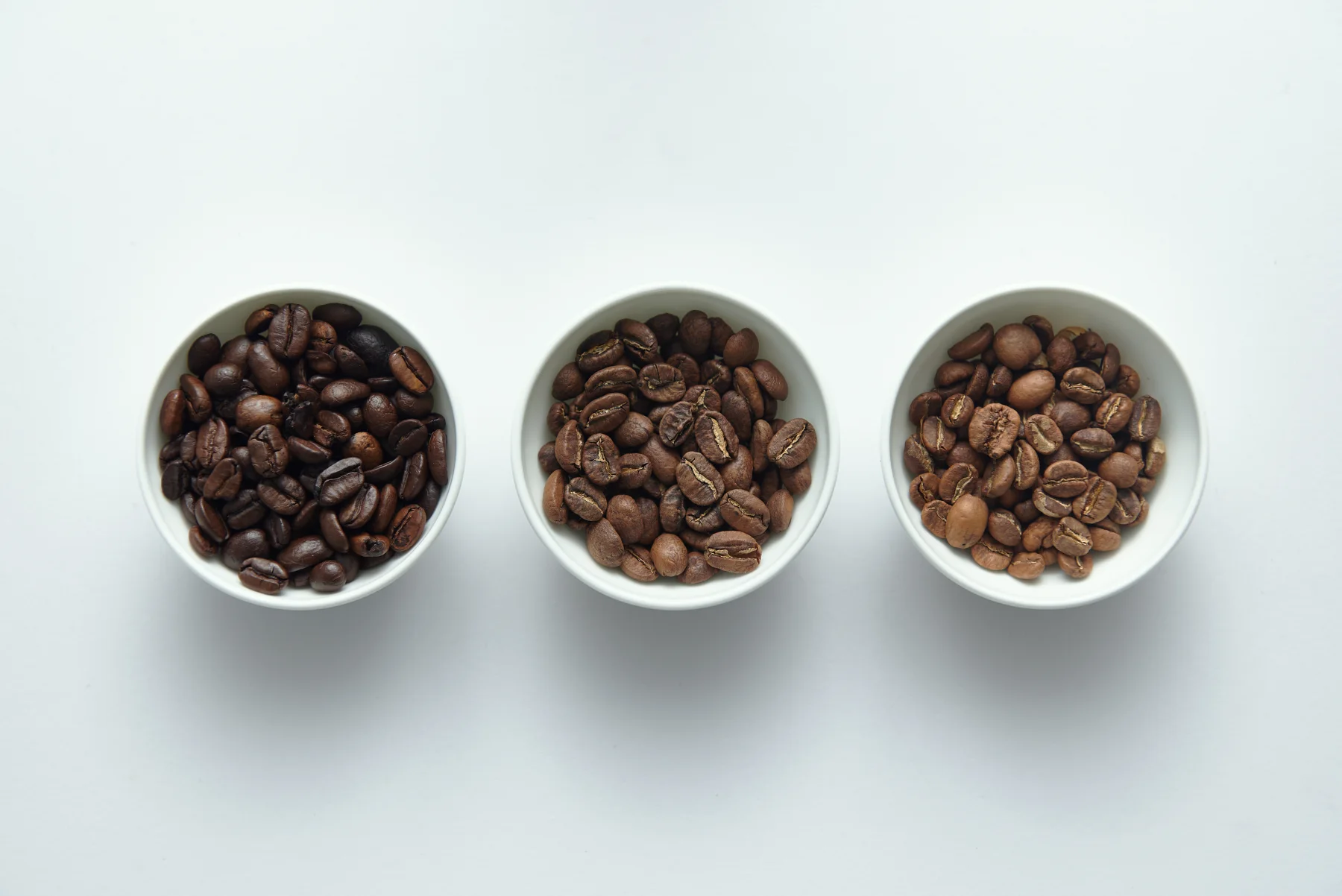
A lighter roast often leaves more origin detail visible; a darker roast adds stronger roast character.
Water, grind, dose and contact time decide what reaches your cup.
Is single-origin coffee better than a blend?
No. Single origin and blend describe different sourcing structures, not a quality ranking.
| Buyer check | Single origin | Blend |
|---|---|---|
| Source | One stated geographic source, which may be broad or narrow. | Two or more coffees selected as components of one recipe. |
| Useful when | You want to explore a producer, place, process or seasonal lot. | You want a repeatable flavor target or a coffee designed for a particular drink. |
| Availability | Can change or disappear as a harvest sells through. | A roaster can adjust components to keep the intended profile available. |
| Quality | Depends on the coffee and the work behind it. | Depends on the component coffees and how the blend is built and roasted. |
The full single origin vs blend comparison covers espresso, filter, milk drinks and a controlled way to taste both.
How do you choose a single-origin bag?
Start with the drink and flavor direction you want, then use origin as one clue among several.
Look for a specific producer or region, a described process and tasting notes you recognize. A light or medium roast often keeps more of those details visible.
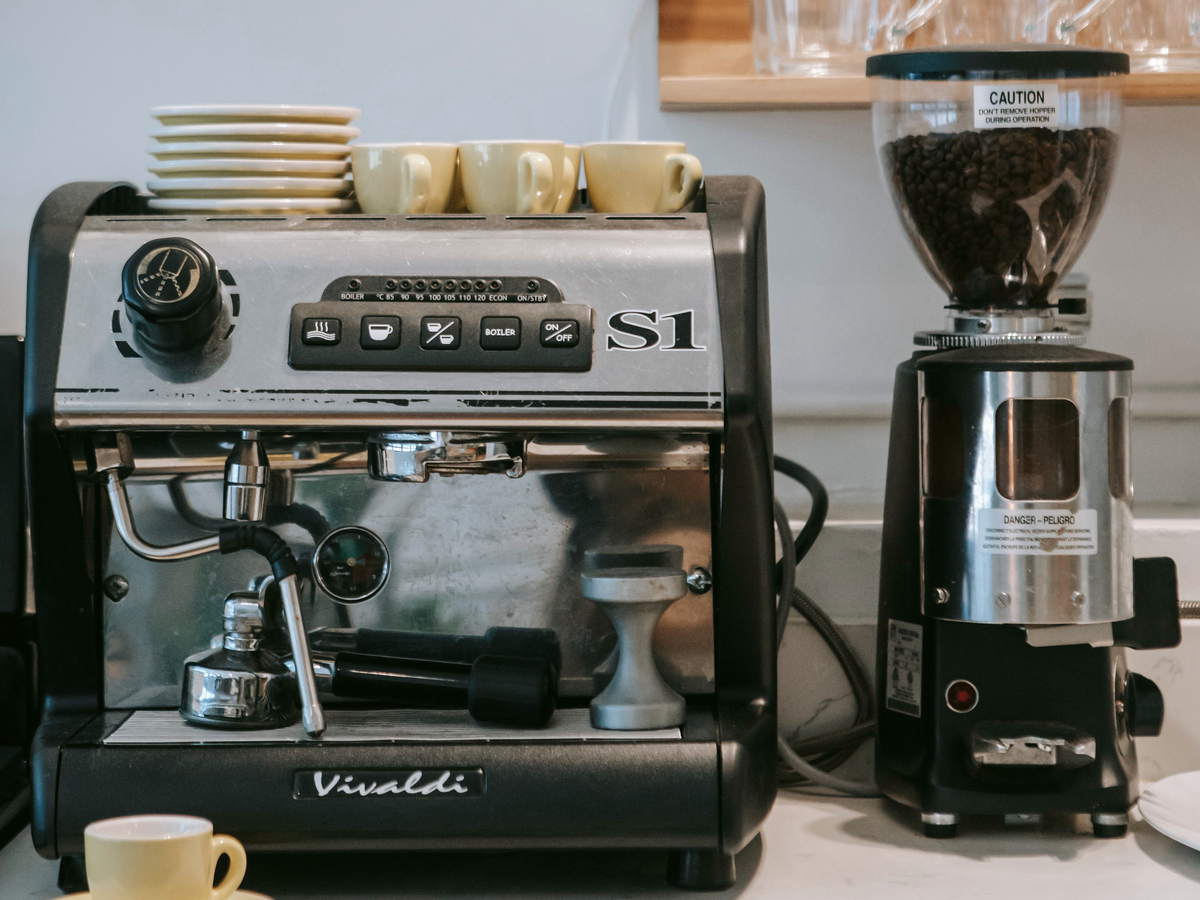
Prefer a bag with an espresso recipe or clear roaster guidance. Single origins can make excellent espresso, but solubility and roast matter more than the category name.
Choose enough body and flavor intensity for the milk volume you use. Chocolate, nut and ripe-fruit descriptions are often easier starting points than a delicate floral profile.
Does single-origin coffee need a special recipe?
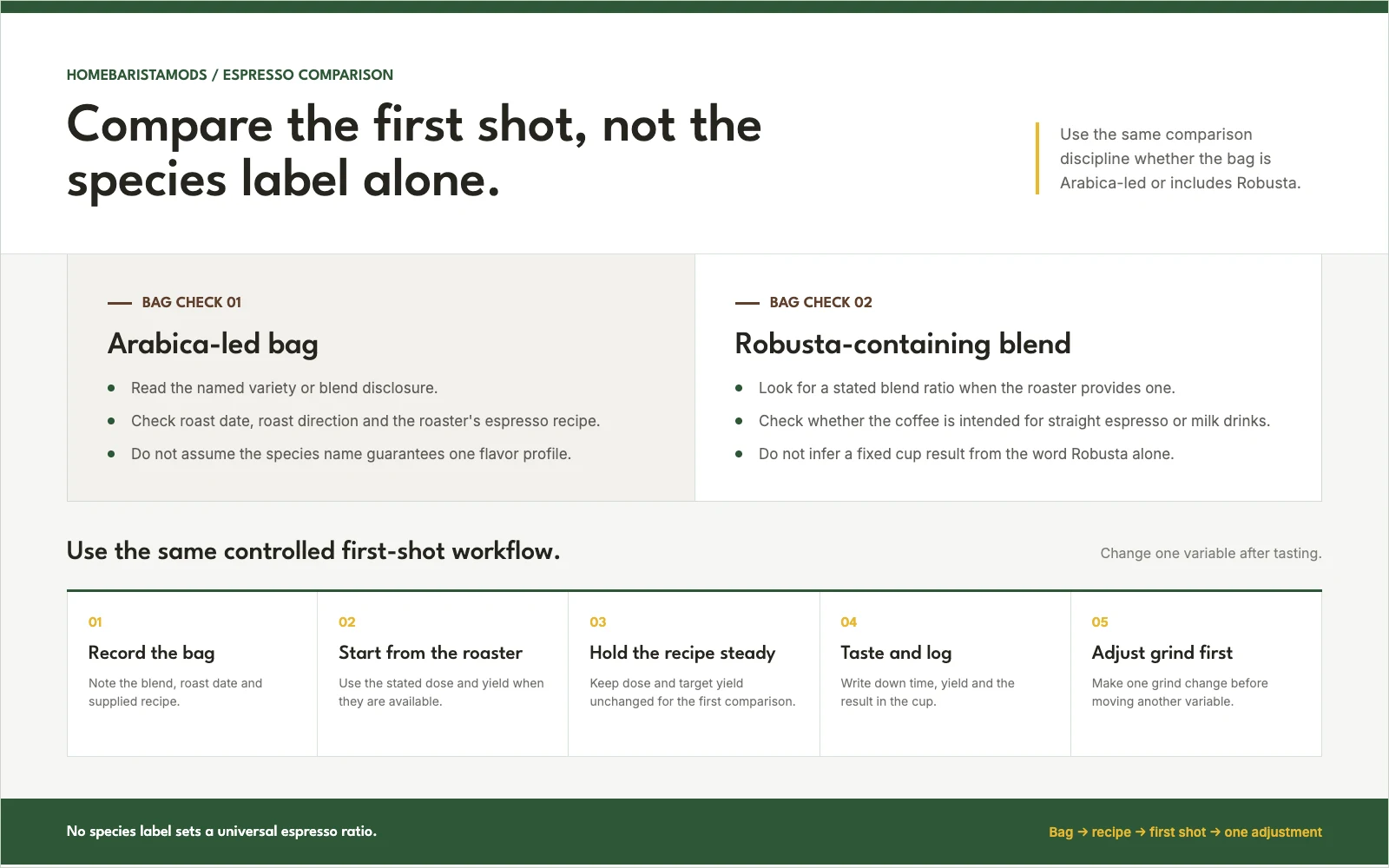
No category-wide recipe exists. Start from the roaster's guidance or your normal baseline, then adjust from taste.
Increase extraction one controlled step by grinding finer, extending contact or raising temperature where the roast allows.
Reduce extraction before changing the dose, ratio, grind and temperature at the same time.
Check the roast date and storage before forcing the brew harder. The storage guide covers air, heat, light and moisture.
How can you learn what origin changes?
Compare two coffees with as few other variables moving as practical.
- Choose two fresh coffees at similar roast levels and, if possible, the same processing method.
- Use the same brewer, water, ratio and serving temperature.
- Write down acidity, sweetness, body, aroma and finish before reading the bag notes again.
- Repeat once. A second brew separates a stable difference from one uneven extraction.
Do not turn one Ethiopia or Colombia into a permanent rule for the whole country. Keep the producer, process and roast attached to your note.
What makes a source-to-bag walkthrough useful?
A credible walkthrough keeps the coffee traceable through production instead of using “single origin” as a vague quality badge.
Named producer, process route, roasting and brew context
Look for a named producer or group, a specific region or lot, the processing route and a clear handoff into roasting and brewing so the sourcing claim remains attached to the actual coffee.
Sources and further reading
The factual boundaries on this page follow coffee-industry and trade references rather than country-flavor shortcuts.
Single-origin coffee questions
Short answers for the points that cause the most confusion on a coffee bag.
What is single-origin coffee?
Single-origin coffee is coffee sold as coming from one stated geographic source, such as one country, region, cooperative, farm or lot. The term describes sourcing scope rather than a quality grade. Check the producer, variety, process, roast date and brew guidance before deciding whether the specific coffee suits you.
Is single-origin coffee always Arabica?
Single-origin coffee is not automatically Arabica. A stated origin can produce Arabica, Robusta or other coffee species, depending on the place and lot. Read the species or variety information on the bag. The words single origin describe where the coffee was grouped, not which coffee plant produced it.
Is single-origin coffee better than blended coffee?
Single-origin coffee is not automatically better than blended coffee. A single origin keeps one stated source visible, while a blend combines coffees to reach a chosen profile. Quality depends on the green coffee, processing, roasting, freshness and brewing. Choose between them according to the drink and experience you want.
Can single-origin coffee be used for espresso?
Single-origin coffee can make excellent espresso when the roast and recipe suit the machine and drink. Look for roaster guidance, then adjust grind from the shot rather than from the category name. A light single origin may need more careful extraction; a medium roast is often a calmer starting point.
Why does the same origin taste different between roasters?
Single-origin coffee from the same country or region can taste different because producer, variety, harvest, processing, storage and roast profile may all change. Even the same green lot can present differently after roasting and brewing. Compare the complete bag details instead of treating the country name as a fixed flavor promise.