
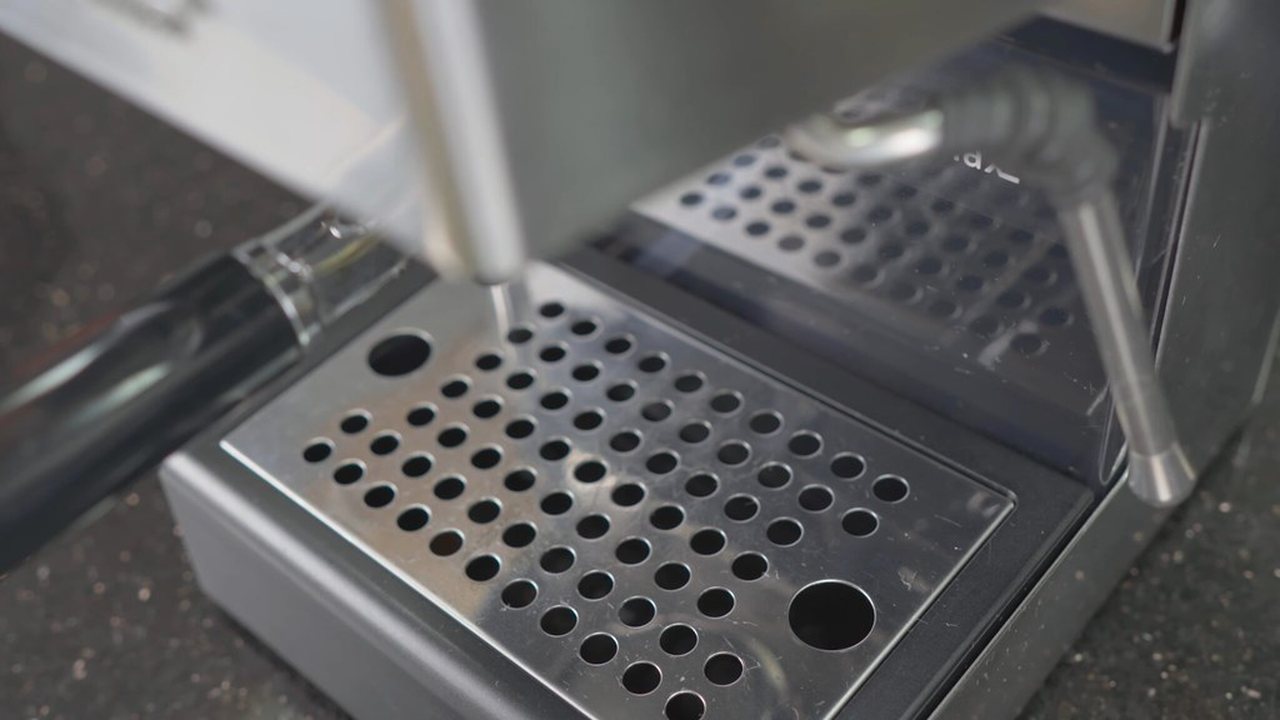
A Gaggia Classic steam wand upgrade is not one universal parts swap. Older Classics are the machines most associated with the historical Silvia-wand conversion. Newer Classic Pro-family machines already moved to a commercial-style wand, and the current Classic Pro E24 is sold with a rotating stainless wand and a two-hole tip.
The safest buying rule is simple: identify your exact Classic generation first, then decide whether you need a new wand, a clean tip, a seal/service fix, or better steaming technique.
Does every Gaggia Classic need a steam wand upgrade?
No. The need depends heavily on which Classic you own and what problem you are trying to solve.
Whole Latte Love notes that installing a Rancilio Silvia wand was a popular modification on older Gaggia Classic models, before Gaggia moved the Classic to a commercial steam wand. The current Gaggia Classic Pro E24 specification already lists a commercial-style stainless wand, a two-hole tip, rotating movement, a 3.75-inch usable length and an insulated grip.
That means “steam wand upgrade” describes at least two different jobs:
| Your situation | First decision |
|---|---|
| Older Classic with the earlier frothing/Pannarello-style setup | A true wand conversion may be worth researching |
| Classic Pro / Evo / E24 with a commercial-style wand | Diagnose technique, cleanliness and exact hardware before replacing the whole wand |
| Wand drips while closed | Treat it as a valve/sealing symptom, not an upgrade request |
| Steam feels weak | Check maintenance, tip blockage and steam readiness before buying a wand |
| You want more articulation or a different tip | Use a kit documented for your exact machine/revision |
Key Takeaway: The generation of the machine matters more than the word “Classic” on the front.
Why was the Rancilio Silvia wand such a common old-Classic modification?
Because older Gaggia owners wanted a more direct commercial-style steaming tool than the stock frothing arrangement.
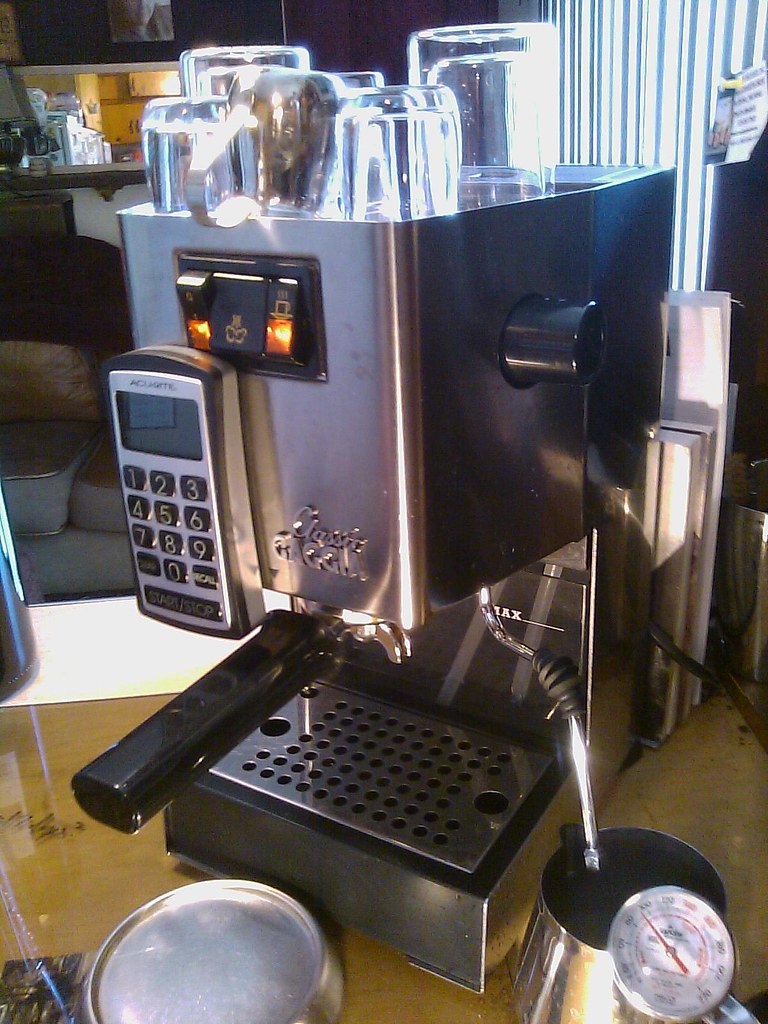
Whole Latte Love’s current Silvia review specifically describes the Silvia wand as a popular modification for older Gaggia Classics before Gaggia upgraded the Classic to a commercial steam wand. That history is useful because it explains why so many old forum threads say “do the Silvia wand mod.”
But old forum shorthand can be dangerous when shopping today. A current Whole Latte Love listing for the standalone Silvia Steam Pipe says in all caps that it is not compatible with the Gaggia Classic espresso machine.
So the historical idea and the current retail part are not the same thing. A working old-Classic conversion can involve a specific compatible assembly, adapter, fittings or documented kit. Do not infer compatibility from the words “Silvia wand” alone.
If a seller cannot name the Gaggia generation it fits, show the complete parts required, and explain whether the chassis or internal plumbing must be altered, treat the listing as unverified.
What should Classic Pro, Evo and E24 owners do before buying another wand?
Start by proving that the existing wand is the limiting part.
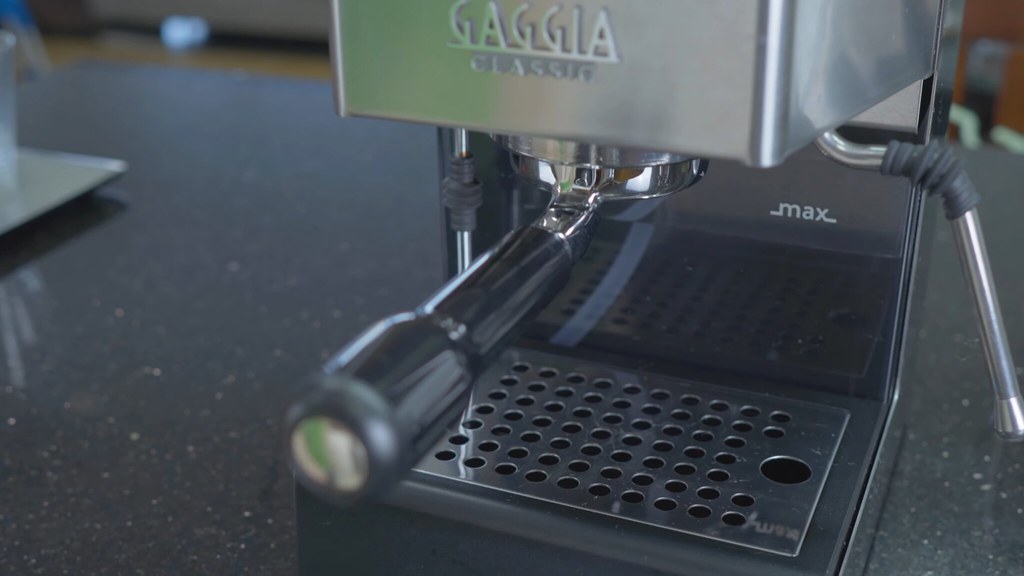
For the current North American Classic Pro E24, Gaggia already specifies a commercial-style stainless steam wand with a two-hole tip. Replacing that assembly will not create more boiler capacity. If the machine is slow to build steam, loses steam unusually fast, or produces poor texture, the cause can sit elsewhere in the workflow.
Use this order:
1. Clean the wand and tip. Milk residue can block small steam/air passages. 2. Confirm the machine is at steam-ready condition before judging power. 3. Purge condensation briefly before putting the tip into milk. 4. Check the tip holes for blockage instead of assuming the wand body is bad. 5. Separate a leaking valve from a wand-shape complaint. A steady drip with the valve closed belongs in the Gaggia steam-wand drip diagnosis. 6. If scale or restricted flow is suspected, work through the Gaggia Classic descaling guide before buying cosmetic hardware. 7. Only then decide whether your real goal is different articulation, a different tip, a cool-touch design, or an advanced custom conversion.
Gaggia’s own semi-automatic maintenance guidance is a good reminder that wand performance is maintenance-sensitive: on Pannarello systems, the company tells owners to clean after each use and warns that a clogged air-intake hole prevents proper frothing.
Is a weak-steam problem the same as a bad steam wand?
Usually not by default.
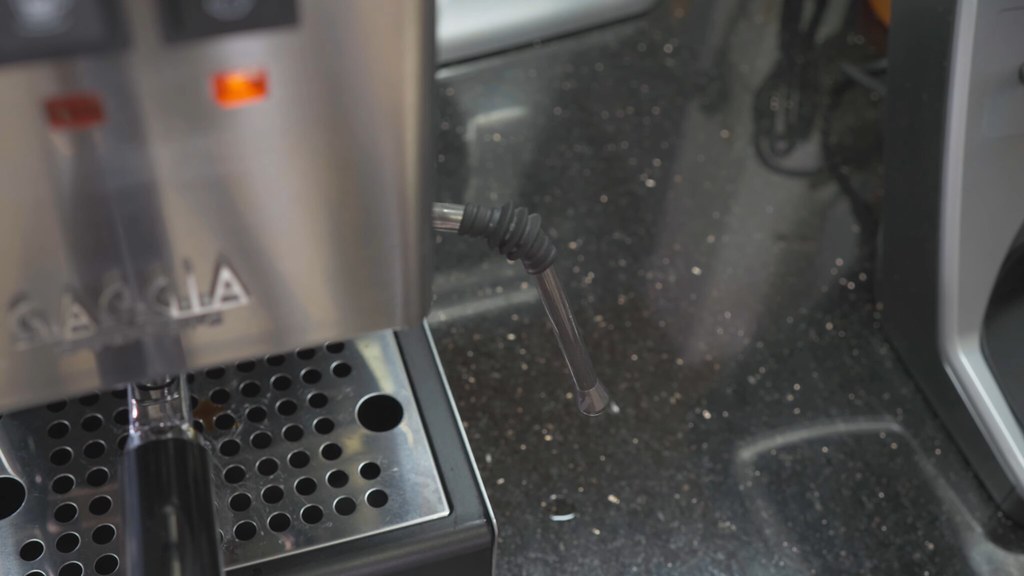
The wand is the final delivery tube. It does not generate steam by itself. On a single-boiler Classic, steaming performance also depends on boiler heat, steam-mode timing, valve condition, scale, tip restriction and how much milk you are trying to texture.
That is why a compatibility article should not promise “more steam power” from a new tube unless a measured before/after test on the same machine supports it.
If your complaint is “the first few seconds are strong and then steam collapses,” a different wand may change ergonomics without fixing the underlying thermal limitation. If the complaint is “one tip hole is blocked,” cleaning is a much cheaper first move. If the valve will not fully shut, see the steam-wand drip guide rather than shopping for a prettier wand.
For workflow timing on the Classic, the separate brew-to-steam waiting guide is the better owner for that question.
Key Takeaway: Diagnose steam production separately from wand shape and tip preference.
Can you buy a Silvia steam pipe and fit it directly?
Do not assume so.

A current Whole Latte Love product page for the Silvia Steam Pipe explicitly says it is not compatible with the Gaggia Classic espresso machine. That is a strong reason to reject generic shopping advice that links a bare Silvia pipe without documenting the rest of the conversion.
For an older Classic, a seller or guide should make the complete compatibility case:
| Verify before ordering | Why it matters |
|---|---|
| Exact Gaggia model / generation | Classic variants do not all use the same steam hardware |
| Complete assembly, not just tube name | A historical “Silvia mod” can depend on additional fittings or adapters |
| Seals / gaskets included or specified | A mechanically fitting tube can still leak at the joint |
| Chassis clearance and range of motion | A wand can fit a connection yet foul the case or drip tray |
| Whether drilling/cutting is required | This changes reversibility and safety |
| Region / voltage only when the procedure opens the machine | Internal layouts and service instructions can differ |
| Leak-test procedure after assembly | Steam and hot-water joints must be checked before normal use |
If the conversion requires drilling the chassis, modifying internal tubing, or working near mains wiring, this article stops being an installation guide. Use machine-specific documentation or a qualified espresso-machine technician.
What about aftermarket articulated or cool-touch wands?
Treat them as machine-specific custom parts, not universal Classic accessories.
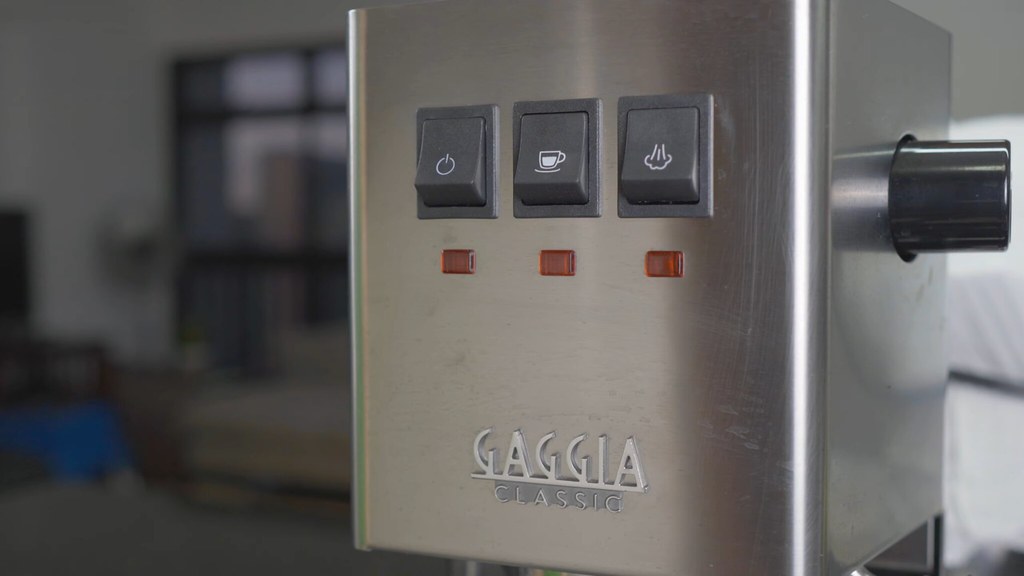
There are current owner projects that fit more articulated commercial-style wands to later Classics, but those builds can require custom brackets, fittings or case work. They prove that advanced conversions are possible; they do not prove that one parts list is correct for every Pro, Evo or E24.
For most Pro/Evo/E24 owners, the purchase question is therefore not “what is the best wand?” It is:
– What exact problem does my current wand create? – Is the problem caused by the wand, tip, valve, scale or technique? – Does the replacement kit explicitly name my machine generation? – Is the modification reversible? – Can I pressure/leak-test the steam path safely afterward?
A well-documented tip or ergonomic change can be reasonable. A vague “fits Gaggia” listing with no model boundary is not enough evidence.
How do you know whether to upgrade, repair or just clean?
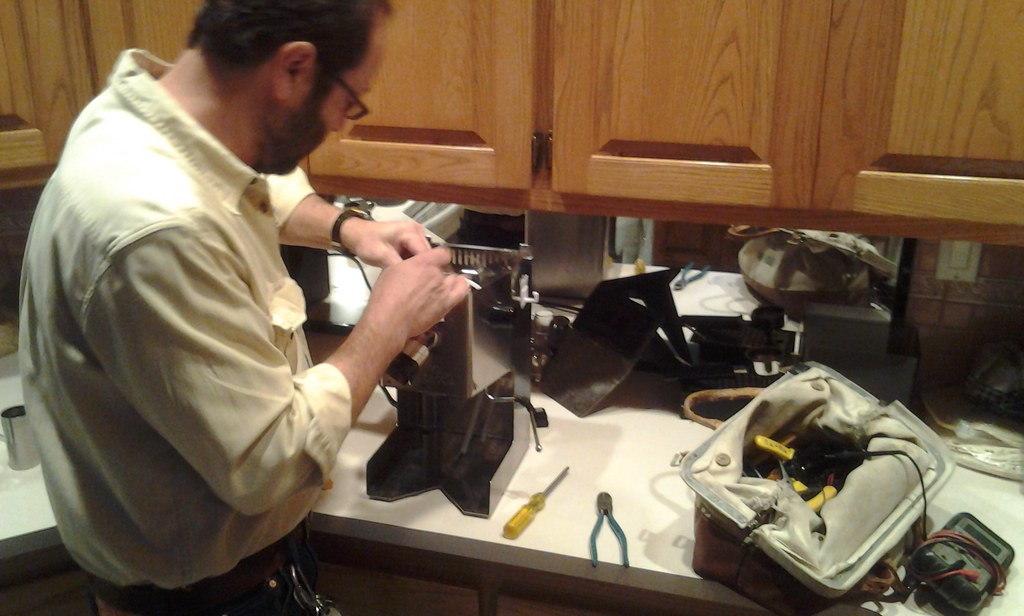
Use this quick decision table.
| Symptom / goal | Best first path |
|---|---|
| Older Classic with original frothing-style wand and you want manual microfoam control | Research a complete, generation-specific conversion |
| Pro/Evo/E24, wand works but milk texture is inconsistent | Clean tip, purge correctly, review technique before replacing hardware |
| Wand drips with valve closed | Diagnose steam valve / sealing |
| Steam is weak across the whole session | Check heat, scale, blockage and steam workflow |
| One or more tip holes appear blocked | Clean the tip/wand first |
| You want more articulation | Look for a machine-specific articulated kit with documented fit |
| Seller only says “Silvia wand fits Gaggia” | Stop and request exact compatibility evidence |
| Mod requires drilling or internal plumbing changes | Move to an advanced machine-specific guide or technician |
For the broader modification sequence, use the Gaggia Classic modding guide and Gaggia Classic hub so a steam-wand purchase does not jump ahead of a maintenance fault.
What should you check after any steam-wand service?
Do a cold inspection first, then a controlled hot check.
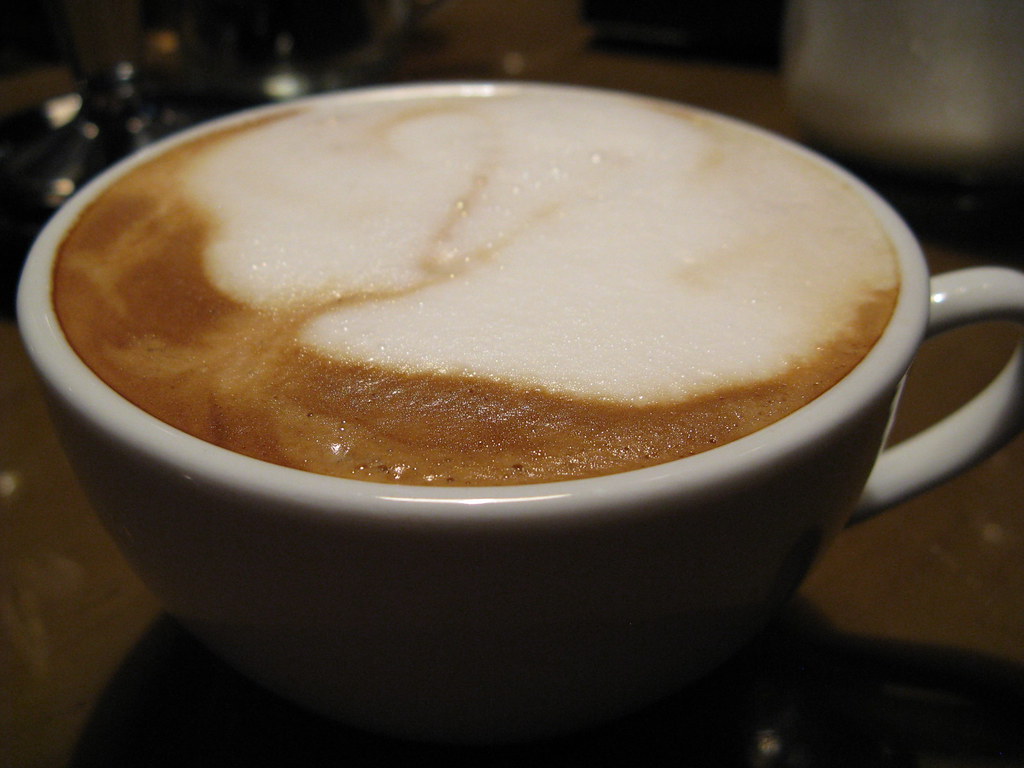
Before powering the machine, confirm that fittings are seated, the wand moves without pulling on internal tubing, and no tool or loose part remains inside the case. If the machine was opened, reconnect covers and protective earth exactly as required by the manufacturer or service documentation.
When the machine is hot, do not put your fingers around a steam joint looking for a leak. Watch from a safe distance for water or steam escaping from a connection, confirm that the valve closes normally, and stop if you see uncontrolled leakage.
After a service that changed the steam path:
– purge into an empty pitcher first; – confirm the wand can be shut off; – check joints visually; – then test with a small normal milk-steaming session; – stop if the machine behaves differently from its documented operation.
If you are not comfortable opening a mains-powered appliance or verifying a hot pressurized joint, use a technician.
Which Gaggia generation should you start from?
Do not identify the machine from a forum photo alone.
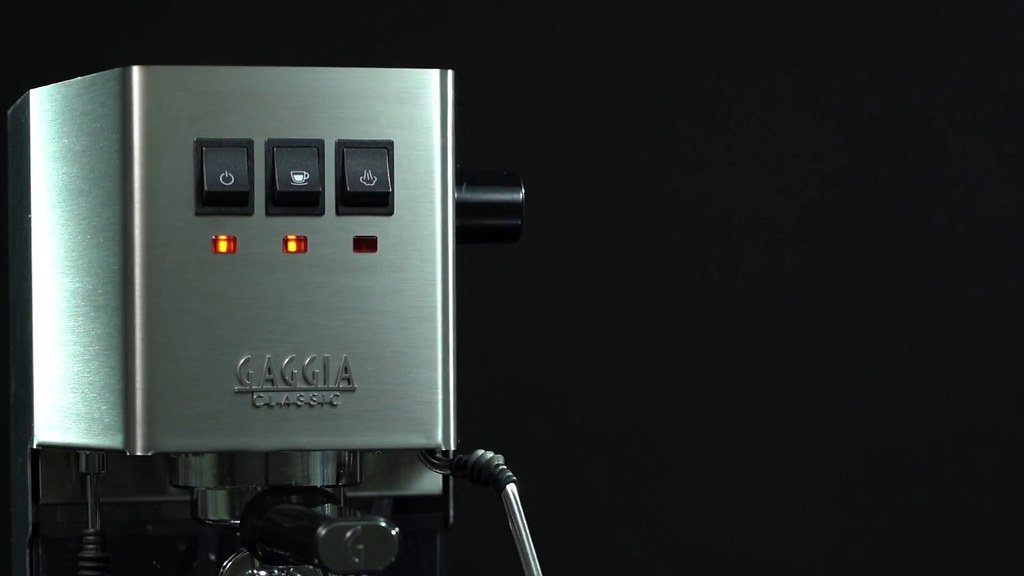
Gaggia North America keeps separate support routes for the older Gaggia Classic and the Gaggia Classic Pro/Evo/E24 family. Use the label on your machine and the matching manual/parts diagram before ordering hardware.
For the current E24 sold in North America, the official spec is clear: commercial-style stainless wand, two-hole tip, rotating movement and insulated grip. That is already a very different starting point from an older Classic discussed in a decade-old Silvia-wand thread.
Key Takeaway: Match the machine to its manual before matching it to an aftermarket listing.
FAQ
Is the Rancilio Silvia wand upgrade still worth doing on a Gaggia Classic?
It can make sense on some older Classics when you have a complete conversion documented for that generation. It is not a universal recommendation for Classic Pro, Evo or E24 machines, which start from different steam hardware.
Does a Classic Pro E24 need a steam wand upgrade for latte art?
Not automatically. Gaggia already sells the current E24 with a commercial-style two-hole steam wand and describes it as capable of producing microfoam for latte art. Technique, tip cleanliness and steam workflow should be checked before replacing the assembly.
Will a new wand increase steam pressure?
A wand can change delivery and ergonomics, but it does not create boiler energy. Do not assume a replacement cures weak steam without checking heating, scale, blockage, valve condition and workflow.
Can I use the current Whole Latte Love Silvia Steam Pipe on a Gaggia Classic?
The current product page explicitly says that pipe is not compatible with the Gaggia Classic espresso machine. Do not buy that bare part based only on old “Silvia wand mod” forum language.
What if my Gaggia steam wand is dripping?
Use the dedicated Gaggia Classic steam-wand drip diagnosis. A leak with the valve closed is a repair symptom, not evidence that you need a different wand style.
References
- Gaggia North America — Gaggia Classic Pro E24 specifications
- Gaggia North America — Gaggia Classic manuals and parts diagrams
- Gaggia North America — Semi Automatic Maintenance / steam-wand cleaning
- Whole Latte Love — Rancilio Silvia review and historical Gaggia wand-mod context
- Whole Latte Love — Silvia Steam Pipe compatibility warning