
You like the idea of grinding fresh coffee. You also like getting out the door on time. Whole beans and pre-ground coffee solve different problems, so start with the brewer and grinder on your counter.
Short answer: Buy whole beans if you have a grinder that suits your brew method and you will use it. Buy a small bag ground for your brewer if you do not have a suitable grinder. For espresso with a single-wall basket, adjustable grinding is especially useful because you may need to change the grind between shots.
Which one fits your setup?
Use the equipment you own today as the starting point. A bag of whole beans cannot correct a grinder that produces an unsuitable grind for your brewer.
Can your grinder make a suitable grind for your brewer?
Grind just before brewing. Adjust the grind if the next cup needs it.
Ask the seller to grind for your brewer. Taste the coffee before buying more gear.
| Your setup | Good first choice | What to check |
|---|---|---|
| Drip, pour-over or French press with an adjustable grinder | Whole beans | Can the grinder reach a useful range for your brewer? |
| Filter coffee without a suitable grinder | Small bag ground by the seller | Tell the seller the exact brew method, not just “medium.” |
| Espresso with a single-wall basket | Whole beans plus an espresso-capable grinder | You need room to adjust grind when the shot runs too fast or slow. |
| Espresso with a compatible dual-wall basket | Pre-ground can be a practical start | Check the machine manual and use a grind intended for that basket. |
What changes when coffee is ground?
Grinding exposes more of the roasted coffee to air. Aroma and carbon dioxide leave it faster. That is the real reason to consider whole beans, not a rule that ground coffee becomes undrinkable after a set number of minutes.
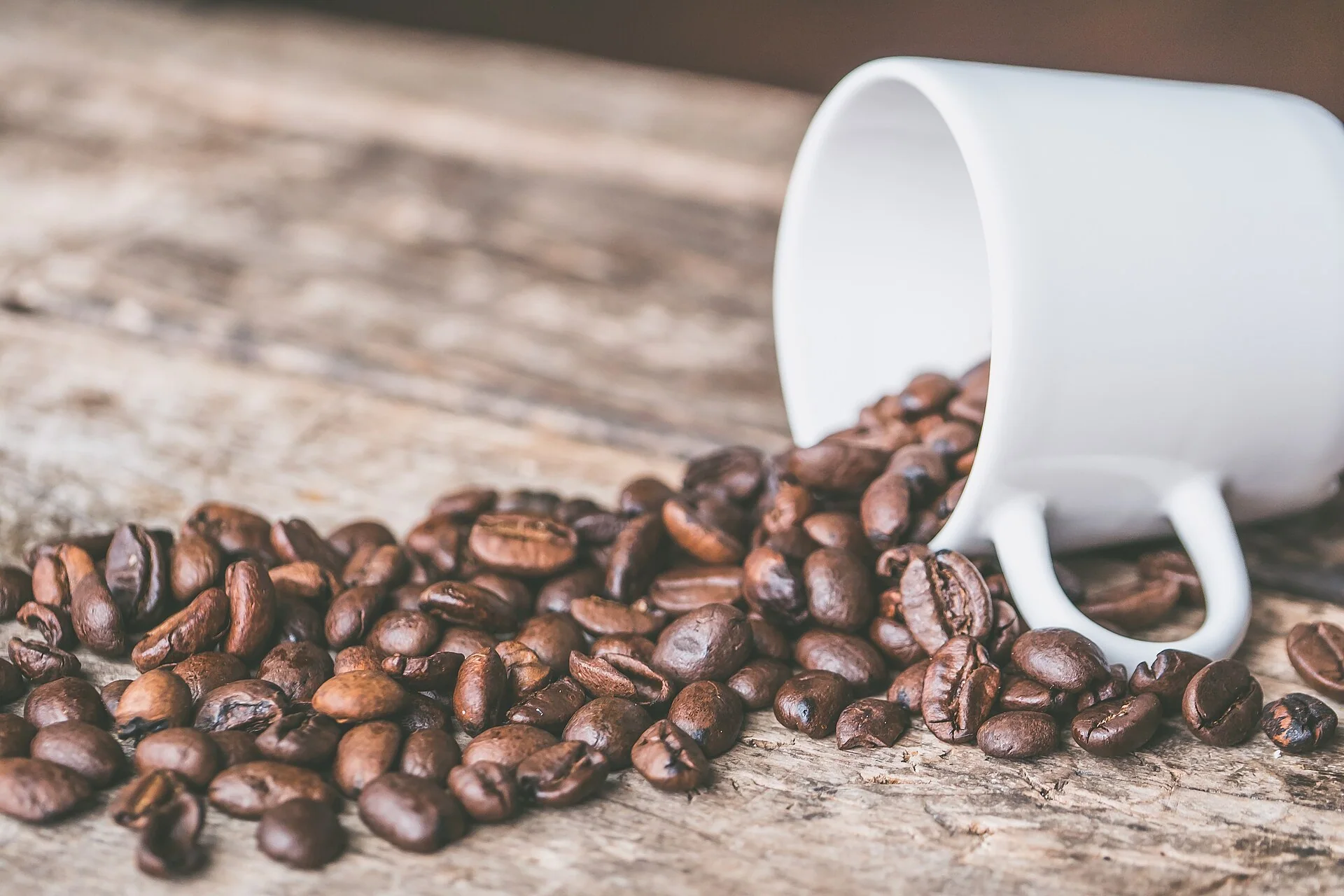
The Specialty Coffee Association’s freshness explanation describes faster gas loss after grinding. Its review of coffee staling also explains why packaging, oxygen, moisture and temperature change the result. Neither source gives every bag the same taste deadline.
If you finish a small bag of pre-ground coffee and enjoy it, that matters more to your morning than winning an argument about a universal freshness clock. If the same coffee begins to taste flat before you finish it, smaller purchases or home grinding give you a useful next experiment. Our coffee freshness guide goes deeper on how to judge a bag.
When are whole beans worth the extra step?
Whole beans make the most sense when you can adjust the grind and will actually do it. That control helps when a pour-over drains too quickly, a French press leaves too much sediment, or a new coffee behaves differently from the last one.
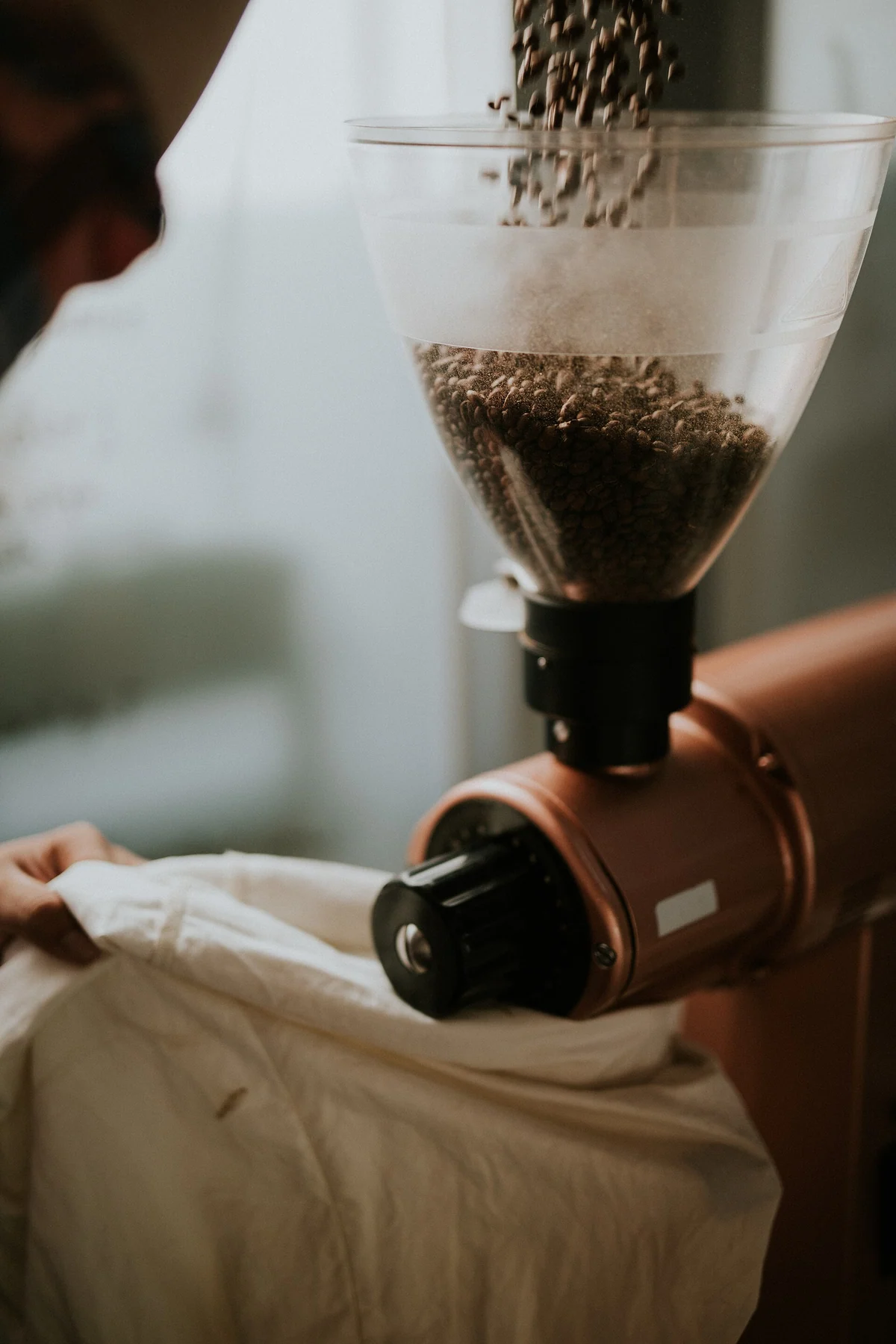
Counter Culture Coffee’s grind guide explains how grind size affects extraction and why settings are not universal across grinders. Make one adjustment, brew again, and compare the cups. Changing dose, water and grind at the same time hides the useful clue.
The grinder still has to suit the job. A blade grinder does not give the same repeatable adjustment as a burr grinder. If you are deciding whether to spend on one, our burr versus blade guide explains the practical difference. Do not buy whole beans because the package looks more serious if your current grinder makes the coffee harder to brew.
When is pre-ground coffee the better purchase?
Pre-ground coffee is useful when time, space or budget rules out a suitable grinder. It can also be a good way to learn one brew method before buying equipment. Ask the seller to grind for your brewer and buy an amount you can finish while you still like the taste.

That fixed grind is the trade-off. If your drip coffee tastes weak, you can change the amount of coffee or your brew method, but you cannot make that bag finer. A local roaster with a good grinder may still give you a better starting cup than a poor home grinder. Home brewers describe both outcomes; their reports show why taste and equipment matter, not a rule that one format always wins.

If grinding feels like a chore, try one small shop-ground bag.
James Hoffmann compares fresh grinding on a budget grinder with pre-ground coffee from a high-end grinder. It is one equipment comparison, not a rule for every bag. Open the video in a new tab.
Does the espresso basket change the answer?
Yes. A single-wall basket relies heavily on the coffee puck for resistance. You usually need an espresso-capable grinder to adjust a shot that runs too fast or too slow. A shop can grind for espresso, but it cannot adjust the next bag while standing at your machine.

The puck controls much of the flow. Choose a grinder that lets you adjust espresso finely, then dial in with whole beans.
The basket adds back pressure. If your machine supports one, it can make pre-ground coffee more workable while you learn.
Breville explains the two basket designs. Its guidance is an example, not proof that every espresso machine accepts both baskets. Check your machine’s manual and the basket in your hand before buying coffee or accessories. A home espresso discussion illustrates the budget dilemma, but does not replace the manual.
One more caution: a dual-wall basket can change flow and crema appearance. Crema alone does not tell you that the coffee tasted better. Brew, taste, and decide from the cup.
How should you buy and store either format?
Buy the smallest practical amount for your routine, especially if you choose ground coffee. Ask for the roast date and grind option when available. A label can help you choose, but it cannot tell you how the coffee will taste after several mornings on your counter.
- MatchTell the seller your brewer and, for espresso, the basket type. Choose a grind made for that method.
- CloseSeal the bag after each use. Keep it away from heat, light and moisture.
- ReviewNotice when the cup changes. Buy less next time if you reach the end after the flavor has faded.
If you want to compare bags before ordering, use our guide to reading a coffee bag. For storage options, see bag, canister and freezer choices. There is no need to buy a canister before you have tried closing the bag well.
Can you compare the two without buying a new grinder?
Yes, if you can borrow a suitable grinder or buy a small portion ground by your roaster. Use the same coffee and brew method for both cups. The test will not settle the question for everyone, but it can settle what you prefer at home.
- Keep the recipeUse the same coffee, water, dose and brewer for both cups.
- Change the grind sourceBrew one cup from your freshly ground beans and one from the roaster-ground portion.
- Write one noteCompare taste and the time or effort each cup took. Repeat on another day before spending money.
Ask the roaster to grind for the exact brewer you will use. If the two grinds are very different, you are testing grind size as well as freshness. That is still useful information, but it is not a clean freshness test. For espresso, a single-wall basket makes this comparison harder because a fixed shop grind may not suit your machine.
Common questions
Is pre-ground coffee bad coffee?
No. Freshly roasted, correctly ground coffee can make a cup you enjoy. Its grind size is fixed, and its aroma changes faster after grinding. Buy a small bag, close it well, and judge it by the brew you actually drink.
Does grinding fresh always taste better?
No single setup wins every time. A suitable grinder gives you freshness and adjustment. A poor grinder may make an uneven or unsuitable grind. If you can, compare the same coffee prepared both ways instead of assuming the label tells you the result.
Can I use pre-ground coffee in an espresso machine?
Often, but check the basket and the machine manual. A compatible dual-wall basket can tolerate a less exact grind. A single-wall basket usually needs fine adjustment to control the shot. Do not assume a basket from another machine will fit yours.
Should I buy whole beans if I only make French press?
Whole beans are useful if you have a grinder that produces a suitable coarse grind and you enjoy adjusting it. Without that grinder, ask a roaster to grind a small bag for French press. If the cup has too much sediment or tastes weak, tell the roaster what you noticed before your next bag.
Your next bag
Choose a form that fits your brewer and routine, then buy one small bag. If your grinder can adjust well, try whole beans. If it cannot, ask the seller to grind for your brewer. Start with the cup, not a gear shopping list. Our coffee beans hub can help you choose the bag itself.
References
- Specialty Coffee Association: coffee freshness and gas loss
- Specialty Coffee Association: review of coffee staling and storage factors
- Breville: pressurized and non-pressurized baskets
- Counter Culture Coffee: grind size and brew method
- r/Coffee: owner experiences with shop-ground and home-ground coffee

Pick the bag you’ll enjoy finishing.